Galactic Style Guide – Ammo belts and Pouches II

Welcome back to another installment of the Galactic Style Guide, the bimonthly series where we break down the ‘Star Wars aesthetic’ in order to help you create a more authentic ‘outer persona’! In our second entry looking at the various styles of belt pouches and bandoliers seen onscreen, we’re focusing on military surplus (and milsurp-style) examples as seen in the Prequel Trilogy.
Let’s begin (again!) on Tatooine!

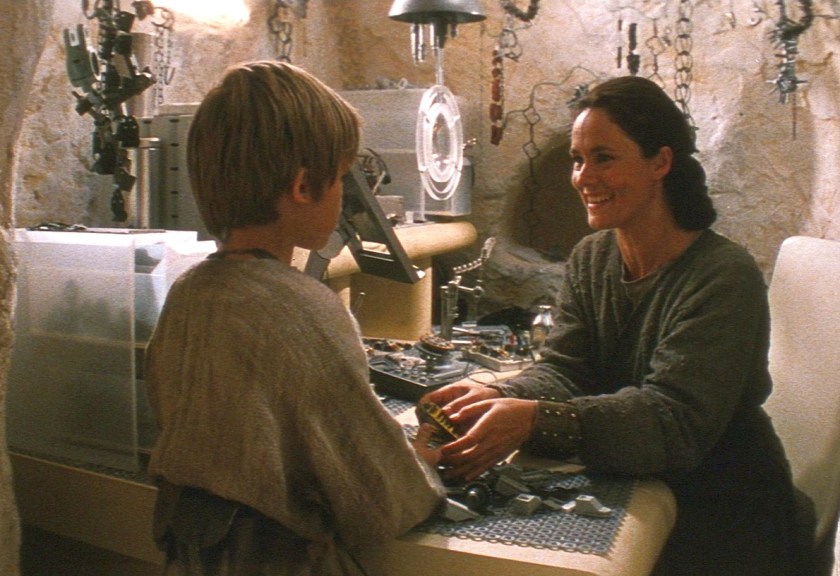
Throughout Episode I, we see young Anakin Skywalker wearing one half of an Italian Army ammo pouch for the Carcano rifle (plus another mystery pouch):


Several of the background characters in Mos Espa have belt gear with ‘Lift The Dot’ fasteners; these appear to be a dual-magazine pouch very similar to this WW1-era pouch for the Colt 1911. As I discussed previously, I feel that these kinds of pouches are acceptable for outfitting far-background characters like these, but I feel they toe the line of ‘visible fasteners’. However, they’re usually very sturdily made to stand up to the rigors of authentic use, so if you are reenacting or doing living history with an audience inside the 10-foot line, it’s probably worthwhile to take the extra effort to cover them behind some canvas or webbing.

Jedwar Seelah, Chokk, and the unnamed Nikto podrace mechanics.
keep reading for more examples!

Galactic Style Guide – Ponchos I

Welcome back to another installment of the Galactic Style Guide, the bimonthly series where we break down the ‘Star Wars aesthetic’ in order to help you create a more authentic ‘outer persona’! It’s been a minute since our last entry in this series, but here on the last weekend of Star Wars Month, we’re taking a look at examples of garments which have been part of the GFFA look since the very beginning: ponchos! For our purposes, we’re defining a poncho as a garment worn as an outer layer for protection from the elements and which covers the front of the body; things like capes and cloaks tend to be open in the front and worn more for form than function (hence their frequent use by ‘classes’ like gamblers and politicians). As we’ll see, ponchos on the other hand are almost always associated with salt-of-the-earth folks who aren’t afraid to get their hands dirty. Let’s dig in!

The first poncho we see in the Original Trilogy is worn by Luke as part of his farmboy attire:

While it’s a fun idea, as we’ll see next month, this is not Qui-Gon’s poncho.
more examples inside!

Galactic Style Guide – Tents and Shelters

Welcome back to another installment of the Galactic Style Guide, where we break down the ‘Star Wars aesthetic’ in order to help you create a more authentic ‘outer persona’! While the Style Guide has traditionally been concerned with topics of clothing and personal adornment, one’s outer persona can also include GEAR. Well, summer has arrived and after spending half of last year in a tent with my wife on the Appalachian Trail, I had two questions on my mind:
1) what kinds of shelters might adventurers in the Galaxy Far, Far Away use to protect themselves from the elements? And 2) are there any tents readily available in 2022 that might approximate these galactic styles?
The answer may surprise you!
While this topic might not be much use to readers planning a visit to the Galactic Starcruiser or their local fan convention, it’s important to remember that ‘doing (in the reenacting/living history sense) Star Wars‘ can (and probably should) take more authentic forms, and that if you want to venture into the outlands or create an in-universe encampment—like say, for an upcoming GFFA airsoft event?—having a good shelter can really come in handy.

While tents seen in earlier Star Wars materials (or only described in text) tend towards the unrealistic (at least by current capabilities)*, many shelters from visual media are actually fairly mundane, which is great for those wishing to create a reenacting encampment, or undertake an in-universe backpacking trip! *for a perfect example of this, see Mace Windu’s “wallet tent” in the novel Shatterpoint, which packed down to the size of a pocket yet could automatically unfold into a two-person shelter

Military command tents: Jedi Vs. Sith; To the Vanishing Point.
Readily-available Star Wars tents after the jump

What’s the deal with Tatooine currency?

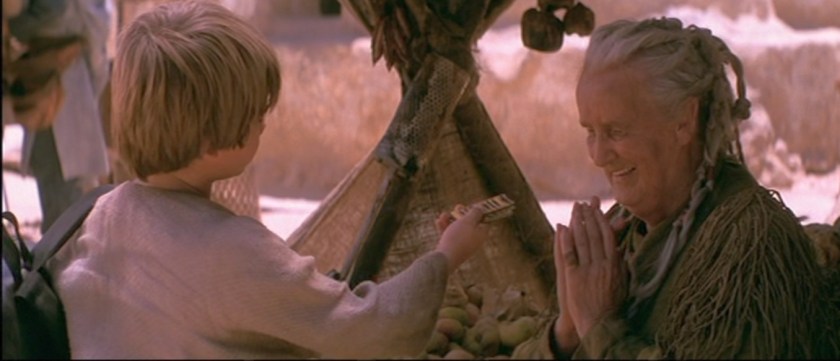
In Episode I, Anakin Skywalker wins the Boonta Eve Classic podrace, which we’ve discussed before. Following the race, he and Qui-Gon sell his podracer, go home to mom, and Ani exclaims, “look at all the money we have!” Here’s the thing – the money Anakin hands her appears to be a stack of Republic credits.

On his way out of town (in a deleted scene), he also gives his old friend Jira her own stack of Republic credits:

We all remember Republic credits, right?

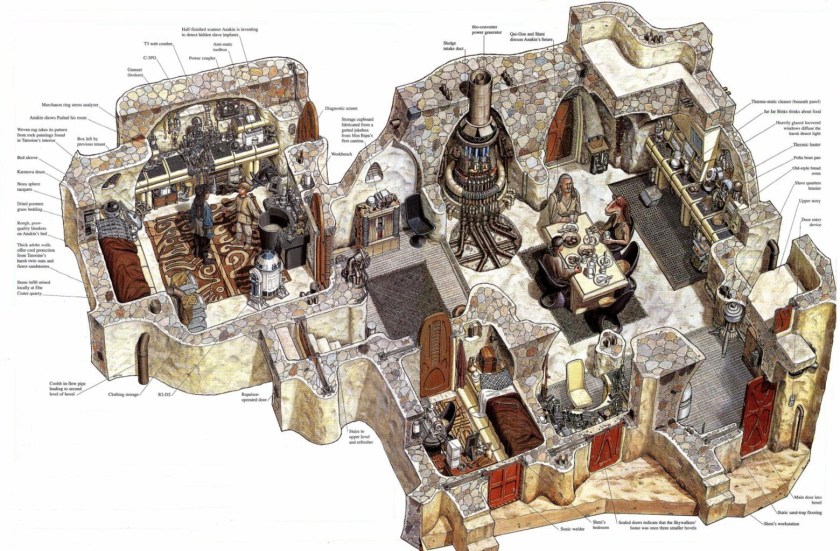
Is your studio apartment bigger than a slave hovel?

Happy new year and welcome to our first post of 2022! I apologize for the delay in new postings, but since getting off the Trail my wife and I moved to a new city, which is always stressful and takes priority from hobbies like running this blog. Since I’ve been thinking a lot about living spaces lately, I thought it would be a great time to share a great nugget I uncovered while doing some recent research.

art by Hans Jennsen (Inside the Worlds of Episode I)

Say what you will about the Prequels, but I always thought despite being slaves, Anakin and Shmi’s home in Mos Espa seemed downright cozy (it’s probably all the low ceilings, rounded corners, and warm, creamy colors – cob-style architecture for the win!). But can we know how big it really was?

Answer: yes, we can!

How long is a Podrace?

Before I went on Appalachian Trail thru-hiking blog-hiatus, some dedicated Star Wars ‘reenactors’ and I were kicking around ideas for some sort of asynchronous long-distance trek or ‘ruck’ challenge we might organize in the future. We started by brainstorming any known distances from the Saga materials, and one of the first things that came up was the Mos Espa Arena podrace circuit. We figured if the length of the racetrack could be determined, it might serve as a nice basis for some sort of virtual relay race. The question was…how long was it?

As has become disppointingly apparent in my attempts to apply the rigors of realism to the galactic setting, because 90% of stories told under the Star Wars banner are purely plot-driven, the mundane details of life are too often nonexistent. Or if they are included, it is done in the most minutiae-focused manner and overlooks the more relatable pieces of information. Or, to paraphrase Maw Installation Redditor FlavivsAetivs, “plot and visual aesthetics—not technical specifications or internal consistency—are the primary focus of Star Wars“.

Case in point: the Boonta Eve Classic podrace! I could easily tell you the names of all the formations or obstacles on the race course, the names, species, and homeworlds of each racer, which racers did not finish the race, which racers completed the course, how fast they did so, and their average speed. But I have thus far been unable to find any mention of the distance the race covered. Unfortunately for us, the Boonta is not like the Indy 500 (the distance is right there in the name). However, a little math does allow us to calculate the length of the race course!

Continue reading “How long is a Podrace?”

Artifact ID: Driss pod

It’s been a while since our last Artifact ID post, but early May always makes me think of the Prequels, and in a bit of serendipity I was able to identify an obscure Episode I artifact while exploring an awesome plant nursery last weekend. Browsing through a display of seed packets, I noticed this gourd looked subconsciously familiar:

If you’re a Prequel aficionado like me—and have spent way too much time poring over DK’s Episode I Visual Dictionary — you might know where this is going.

Continue reading “Artifact ID: Driss pod”

Artifact ID: Mos Pelgo silver bowls

While giving The Mandalorian’s season two opener a rewatch I noticed something in the scene where we are first introduced to the Marshal ‘Cobb Vance’. When Vance removes his helmet and sits down, he places the helmet on the table next to a particular style bowl. I probably wouldn’t have noticed it until perhaps a fourth or fifth casual reskim of the episode, had Jon Favreau not lampshaded the helmet with a gratuitous closeup.

This one was a pretty easy identification, since I grew up using bowls just like this for my morning granola and yogurt!

Continue reading “Artifact ID: Mos Pelgo silver bowls”

Thoughts on ‘The Marshal’

Since The Mandalorian is the hottest thing in the galaxy right now, and with my queue of current projects winding down and no opportunities for public interpretive events in the foreseeable future, I want to share my thoughts on each episode shortly after each airs. Because…I have thoughts! These won’t be general reviews, but I’m going to try and focus on applying the topics of this blog (character design, material culture, issues of in-universe consistency, etc). Additionally, my research tends to uncover random details which enhance our knowledge of the galactic setting, but which aren’t always meaty enough to merit their own essays; I think Mandalorian episode writeups will be the perfect place to sprinkle these in.
I’ll be discussing topics in the order they appear, so let’s get started!

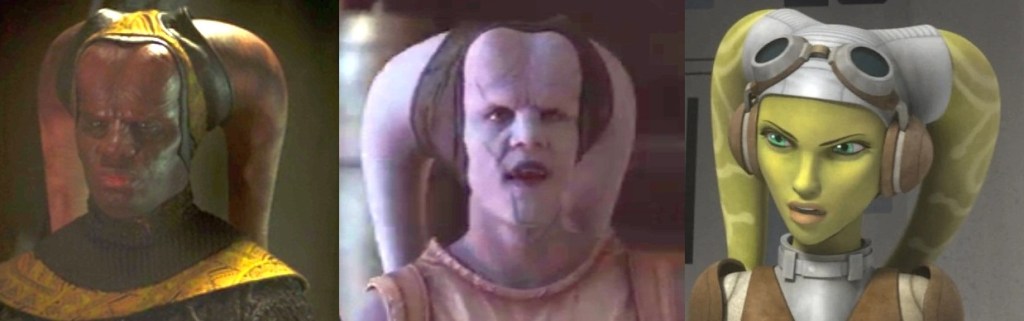
Since S01E06(‘The Prisoner’), the show seems to have a problem with its male Twi’leks. The size, shape, and angle of the head-tails is all wrong—they’re female-style(ish)—and I think it’s a side effect of the show’s relatively small budget. Since the usual male Twi’lek doesn’t wear a headband to hide the transition between actor and prosthetic, the look requires much more time in the makeup chair; the show’s makeup team have apparently decided it’s simply easier to pop a pair of female-style lekku and a headband on and call it good…but it looks hella weird:

This post from DIY the Galaxy gives a good overview of previous lekku depictions.
Continue reading “Thoughts on ‘The Marshal’”

Artifact ID: blue milk cups

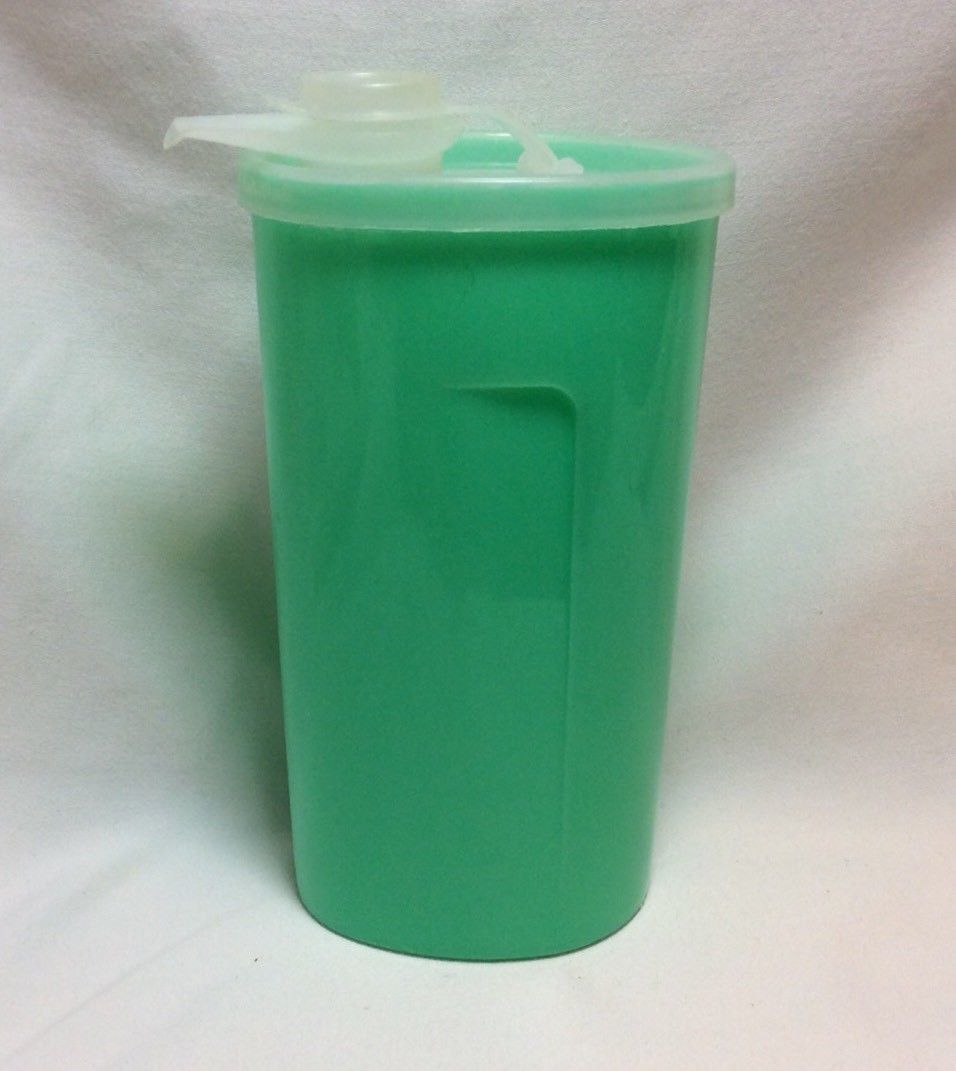
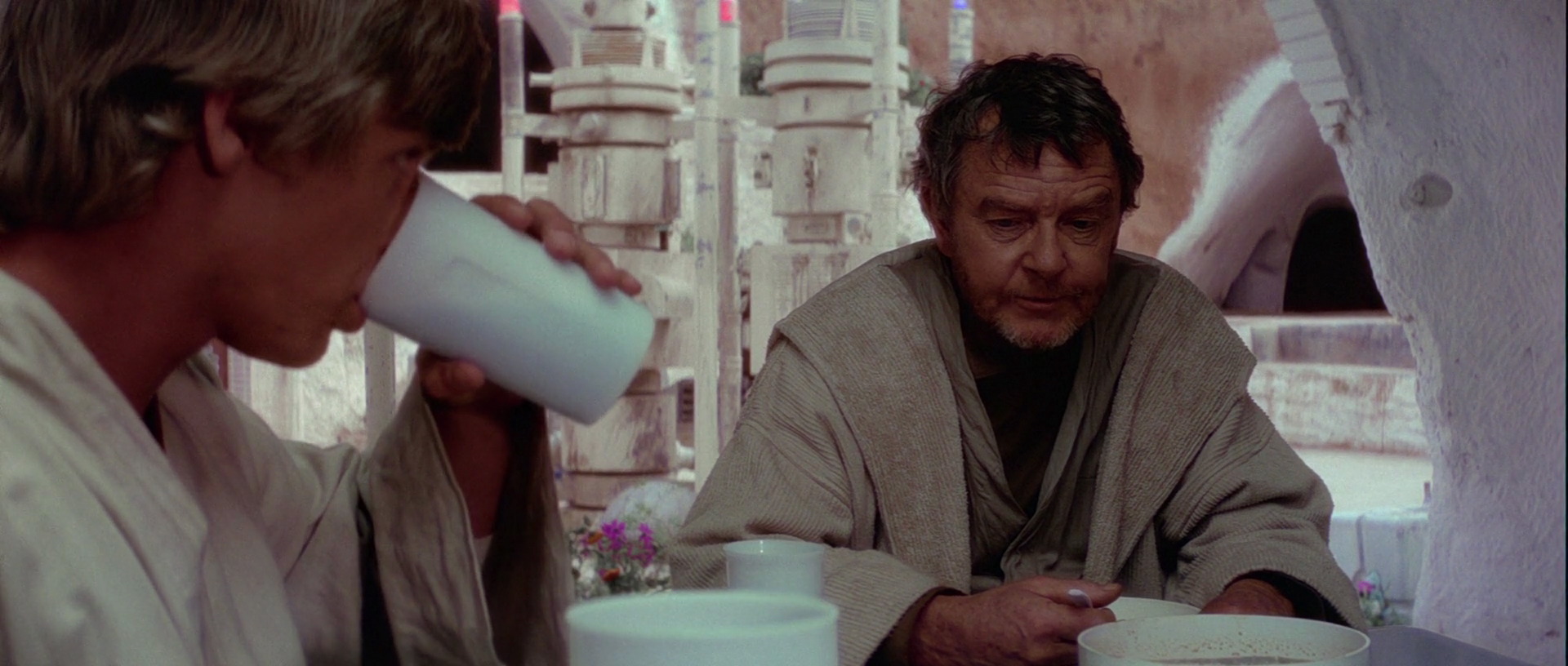
This is another one of those on-screen artifacts I had a really easy time identifying, because I grew up seeing identical cups in my mom’s kitchen drawer of plastic cups and bowls—except hers were a sort of seafoam-ish green:
640-8greenstar-wars4-movie-screencaps.com-2666
The cup that Luke drinks from is an actual vintage Tupperware cup, known as a “Sweet Saver” (product #640-8) meant for storing and pouring liquids like maple syrup or salad dressing.
These are often available and relatively inexpensive on eBay, or you may get lucky by combing your local thrift shop for vintage Tupperware.
Continue reading “Artifact ID: blue milk cups”