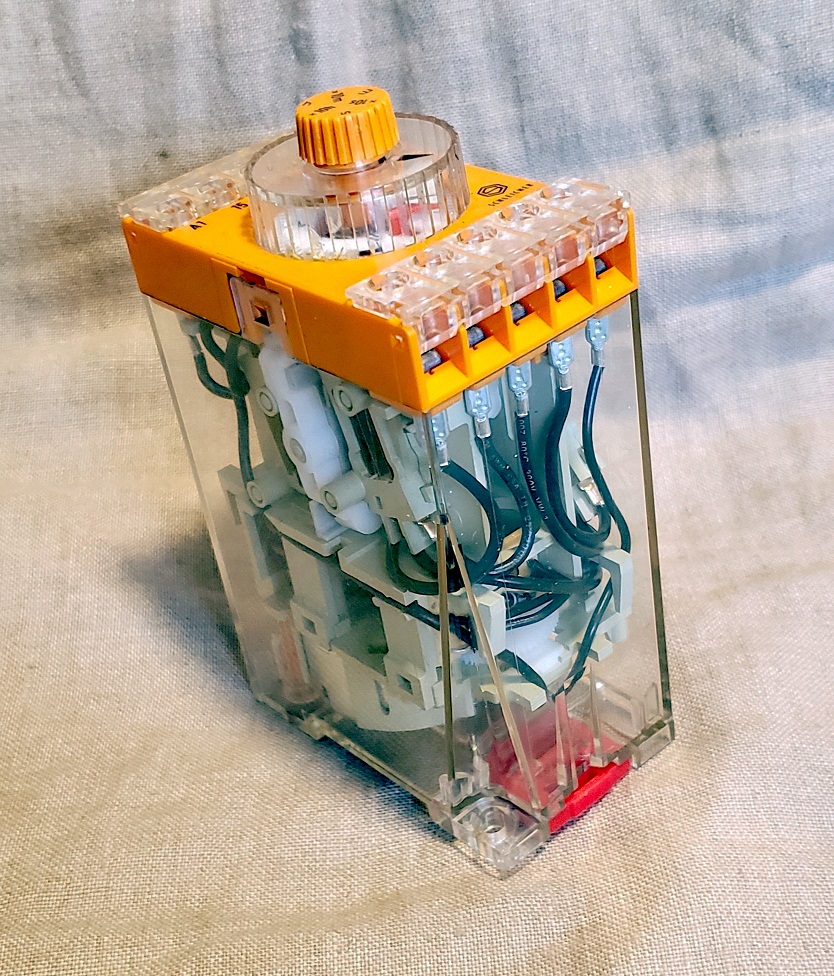
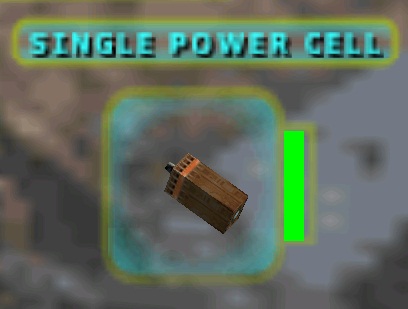
I had written about this prop years ago, but that was really just noticing that the item Qui-Gon hands Anakin was the same as one in the Episode I Racer game:
Well, last week I decided to enlist the help of the prop hive-mind and posted a thread on the RPF seeking help in identifying this piece, and in a surprisingly rapid timeframe, one of the respondents had it pinned down!
Happy Christmas everyone, and welcome back to the Galactic Style Guide, the monthly series where we break down the ‘Star Wars aesthetic’ in order to help you create a more accurate ‘outer persona’! In this month’s installment (our final post of 2021!) we’re wrapping up our look at those ubiquitous pieces of ‘hard kit’, datapads and viewscreens. While datapads have really taken off in the last couple years (since visitors to the Galaxy’s Edge parks started kitbash-decorating phone cases), if you’re only familiar with them from fanmade creations, you may be surprised to see that the MANY visual examples we have from licensed sources are detailed very differently!
From an in-universe visuals sense, these three examples are perhaps the most accurate homemade ‘datapads’ I’ve seen yet. What is it that makes them so well-done?
Welcome back to the Galactic Style Guide, the monthly series where we break down the ‘Star Wars aesthetic’ in order to help you create a more accurate ‘outer persona’! For this installment, we’re taking a look at devices which seem as prevalent in the Galaxy Far Far Away as smartphones are here on Earth. While a comlink fulfils the role of a telephone (audio-only), a datapad or viewscreen fills the niche of a tablet computer, and is used to display or swap visual information (but not to make ‘calls’).
While datapads have really taken off in recent years (after visitors to Galaxy’s Edge started kitbash-decorating their phone cases), if you’re only familiar with them from these fanmade creations, you may be surprised to see that the MANY visual examples from official sources are designed very differently! This post will be primarily concerned with the general design of these devices’ screen sides, and then next month we’ll pay special attention to the rear face, to which so many would-be Batuu-bounders glue so many greeblies.
Welcome back to another installment of the Galactic Style Guide, where we break down the ‘Star Wars aesthetic’ in order to help you create a more authentic ‘outer persona’! This month, we’re taking a break from ‘soft kit’ to look at a piece of ‘hard kit’ that we would expect to see in the pocket, or on the wrist or belt of most galactic citizens in some form or another: we’re talking COMLINKS! While comlinks are—like cellular phones—used to send and receive audio signals at long distances, unlike their Earth analogues, comlinks show a remarkable variety in their designs. Ignoring backpack-based comlinks, we’ll break our sample down into handheld and wrist-mounted comlinks.
The first comlink seen onscreen is the C1 model, made by SoroSuub and carried by Imperial stormtroopers (potentially this might also be what Leia uses at the bunker on Endor). If you’re portraying a character in a position to scavenge some Imperial gear, the C1 might be for you! For extra functionality, you can buy a C1-styled Bluetooth-enabled handset at the Galaxy’s Edge park ($60).
As we’ll see next, the propmakers of Episode I made a wide array of prototypes for the Jedi to carry before settling on kitbashing a womens’ razor for the Hush-98 (also made by SoroSuub):
“Hokey religions and ancient weapons are no match for a good blaster at your side, kid.” – Han Solo, Episode IV.
When most people start thinking of props and accessories, they tend to think of blasters first. Blasters in the Star Wars universe seem to be as common cell phones in ours, and with myriad shapes and sizes, there’s something for every species. But does your character need one? Sure, if you’re in the Outer Rim on an inhospitable planet, it’s a matter of survival…but what if you’re not? Would it be necessary for a musician on Corellia to have a rifle slung across their back? Does a cook on Sullust need a pair of Westars?
Whichever career path you choose, I can’t stop you from arming yourself. That being said, I hope I can help you get the best blaster for your persona.
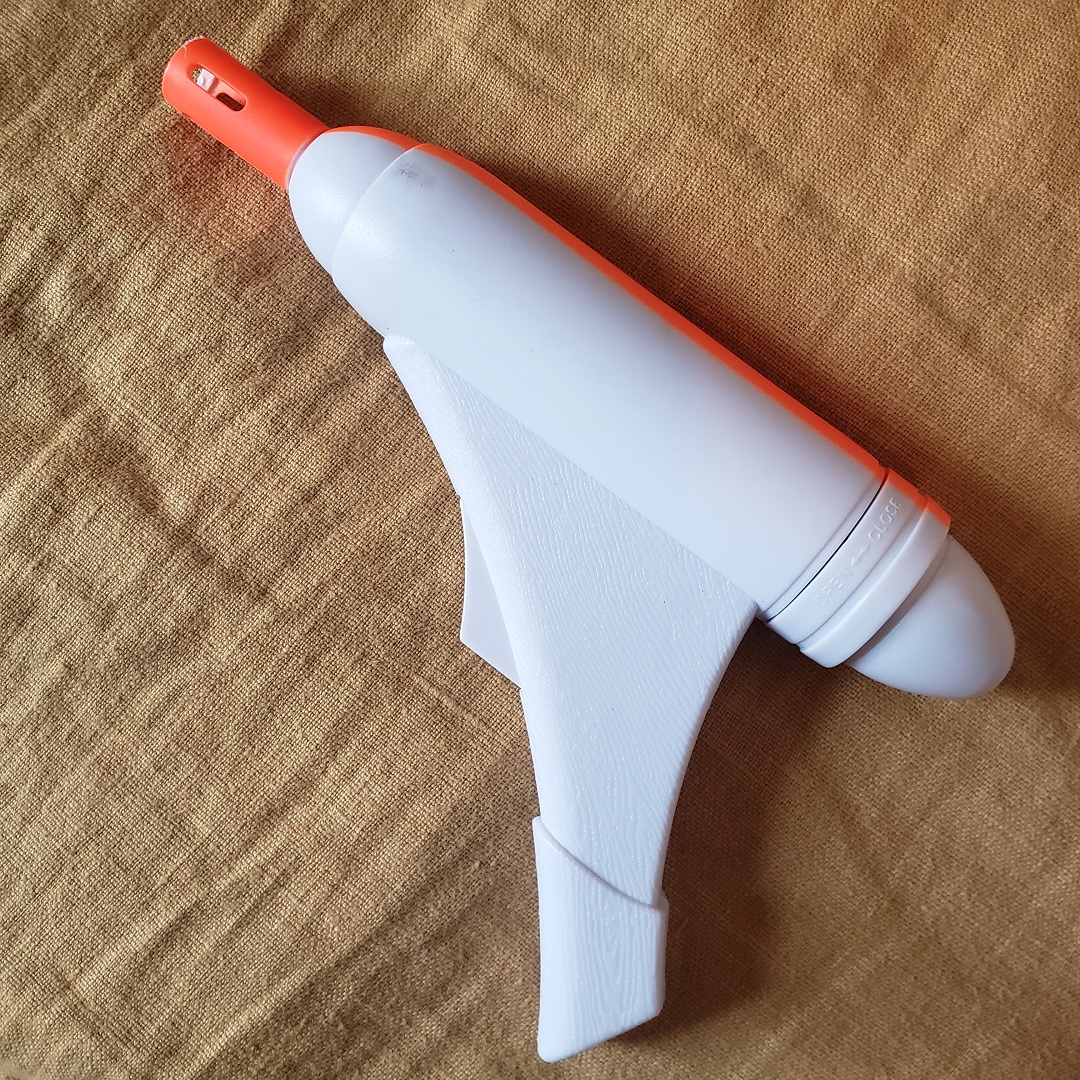
Near the end of last year, while scrolling through some Star Wars groups on facebook I came across someone showing off a bunch of white and fluorescent orange plastic blaster props made by Rubies. While otherwise just another pointless ‘hey look the stuff i ordered got delivered’ post, one of them was something I had no idea even existed in a mass-produced form—the Merr-Sonn Q2 hold-out pistol. (Fun fact: supposedly this blaster was designed by George Lucas himself, and was prototyped from sketch to prop in just one day). While it wasn’t made by them, as a pre-teen in 1999 such a weapon is permanently associated in my mind with Padme Amidala and the planet Naboo, especially given its decidedly un-militaristic Art Deco styling. Seeing that such a replica existed (and was readily affordable!), I realized that including a Q2 in one of my Naboo-based impressions would be a great way to better connect kit and homeworld—especially since those ‘outer personas’ diverge from what most people think of when they picture Naboo style (the typical ‘Renaissance’ style is really a nobility thing).
Since this model blaster is only ever wielded onscreen by Padme or her handmaidens, I had always assumed it was a specially-made pistol just for Royal use. However, skimming through some RPG materials I came across the Q2 included in a listing of common blasters of the Galaxy, where it was listed as acceptable for use in the pre-Empire, Imperial, and New Republic periods—perfect for any of my needs!
As I closed a previous ‘prop philosophy’ post last year I said, “If research and authenticity aren’t kept at the forefront, it is all too easy to fall into the pit of reenactorisms…” However, I realized that while I refer to the concept here from time to time, the term reenactorism may not be well-known to the average reader, so I wanted to use a post to explore what reenactorisms are, their pitfalls, and a few examples from the history of Star Wars. So: what does the word mean? F.L. Watkins, writing in The Reenactor’s Encyclopedia (2004), describes reenactorisms as practices or items which are “incorrect and have no documentation but are commonly believed to be correct and are widely used”. In other words, it’s when one reenactor copies another reenactor’s mistake—acting under the assumption it is accurate—and thereby perpetuates an inaccuracy. Almost always this is the result of not doing one’s own quality research and assuming others have. A reenactorism is the Costumed Arts version of the ‘telephone’ game, where one person whispers a phrase to their neighbor, who whispers what they (mis)heard down the line, usually mutating the phrase with each iteration and becoming unrecognizable by the end. Whereas those playing the game could easily check if the phrase being passed down is correct by asking the speaker, ‘What did you say?’; in reenacting, we can prevent reenactorisms by asking for evidence or documentation.
For example…quick: what color is a standard Rebel Fleet Trooper’s helmet? If you said ‘White’, consider this:
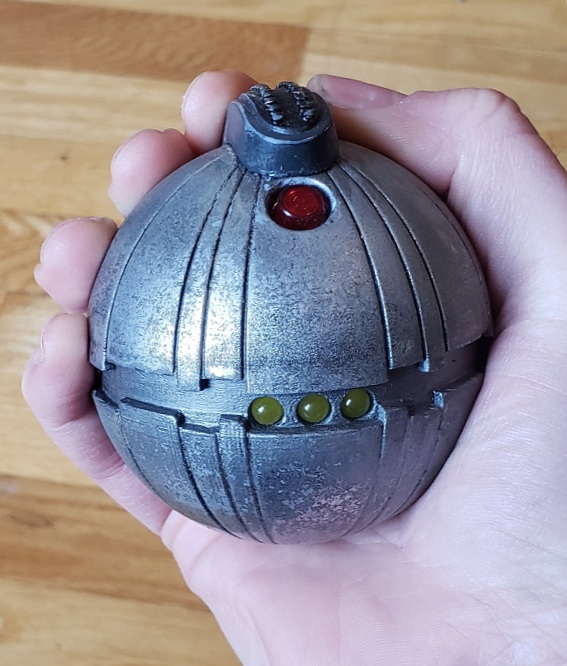
In the course of my research on real-world historical partizan kits, I’ve found the most common items carried by WW2 guerrillas are binoculars, grenades, and knives or bayonets. Since I’m always trying to improve my Rebel partizan impression, I thought having a bit of ‘personal artillery’ (Rebel Alliance Sourcebook, p100) would be a fun way to add some authentic weight to a vest pocket, giving a better living-history understanding of what it would feel like to be equipped in-universe. Around the same time, KR Sabers released an all-metal thermal detonator kit. It was a thing of beauty…but it also cost $200+…and I simply could not justify spending that much on something that was just for looking shiny on a display table or taking up space in a pocket. (Plus, for some reason, high-end propmakers always insist on including things like explosions or character voice soundclips in their electronics, which actually decreases the immersion for me. Anyone else feel the same way? Leave a comment and let me know your thoughts!). Since I couldn’t justify the cost for something that didn’t do anything besides look cool and flash lights, how could I add some authenticity to my kit without breaking the bank?
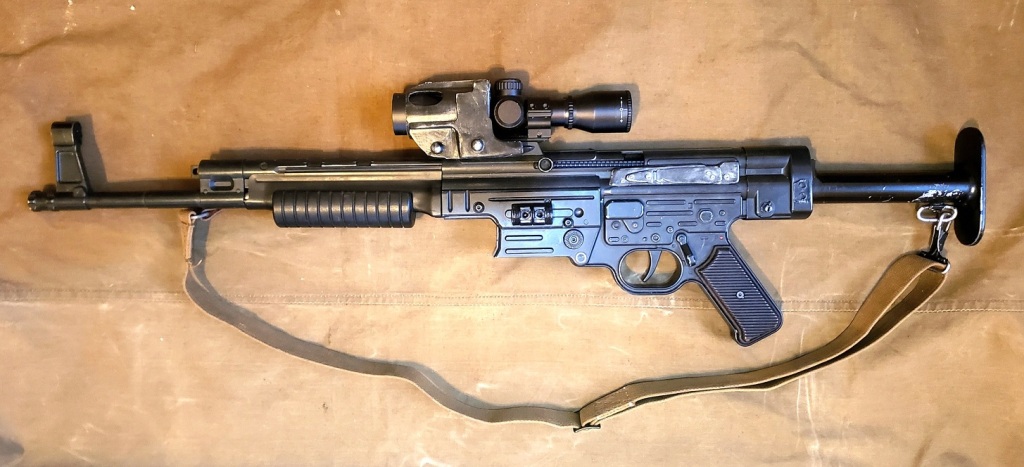
The pandemic project saga continues! Last time I checked in, I was stuck at bottlenecks on the remaining stock, scope, and magazine fronts that kept me from proceeding, but after my usual lull, I again have something worth sharing!
-the StG’s wooden stock needed to be replaced with a metal ‘T’ stock; and as my potential welding instructor is in the COVID high-risk category, I outsourced this element to a machinist friend of mine.
Just in time for Halloween, I’m proud to finally be able to show off a project that’s downright skeletal!:
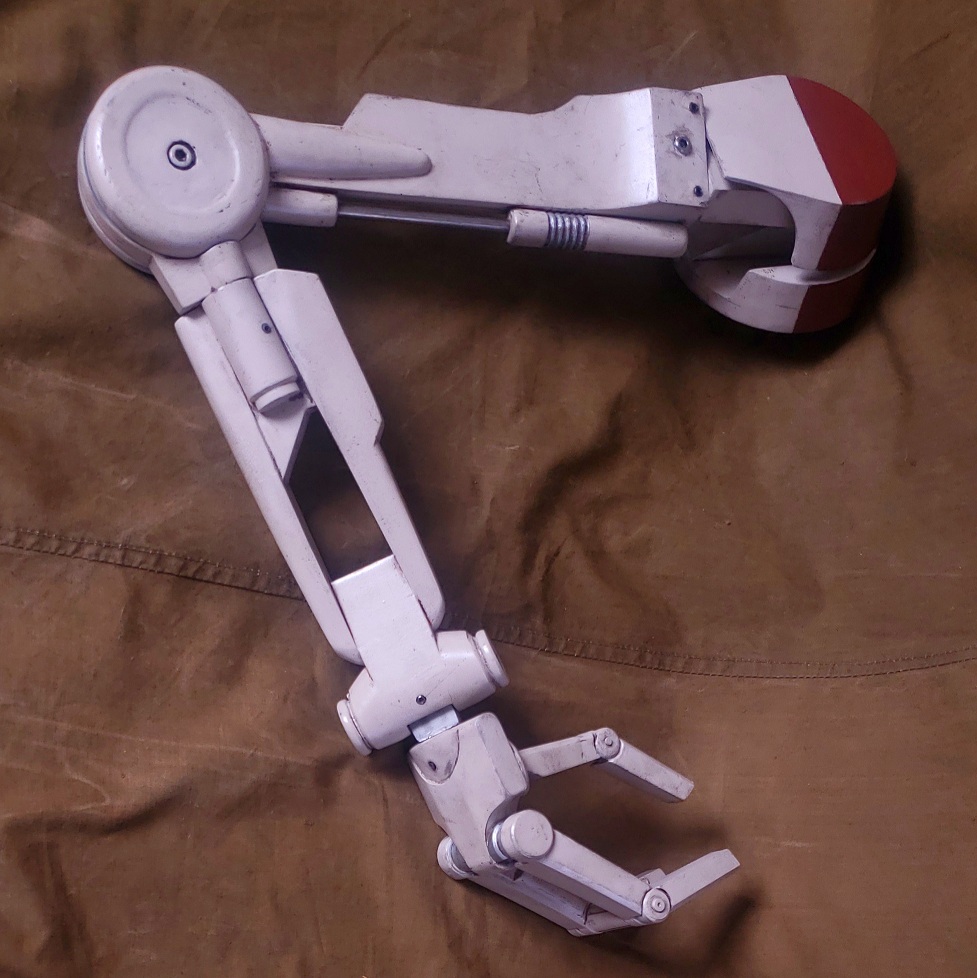
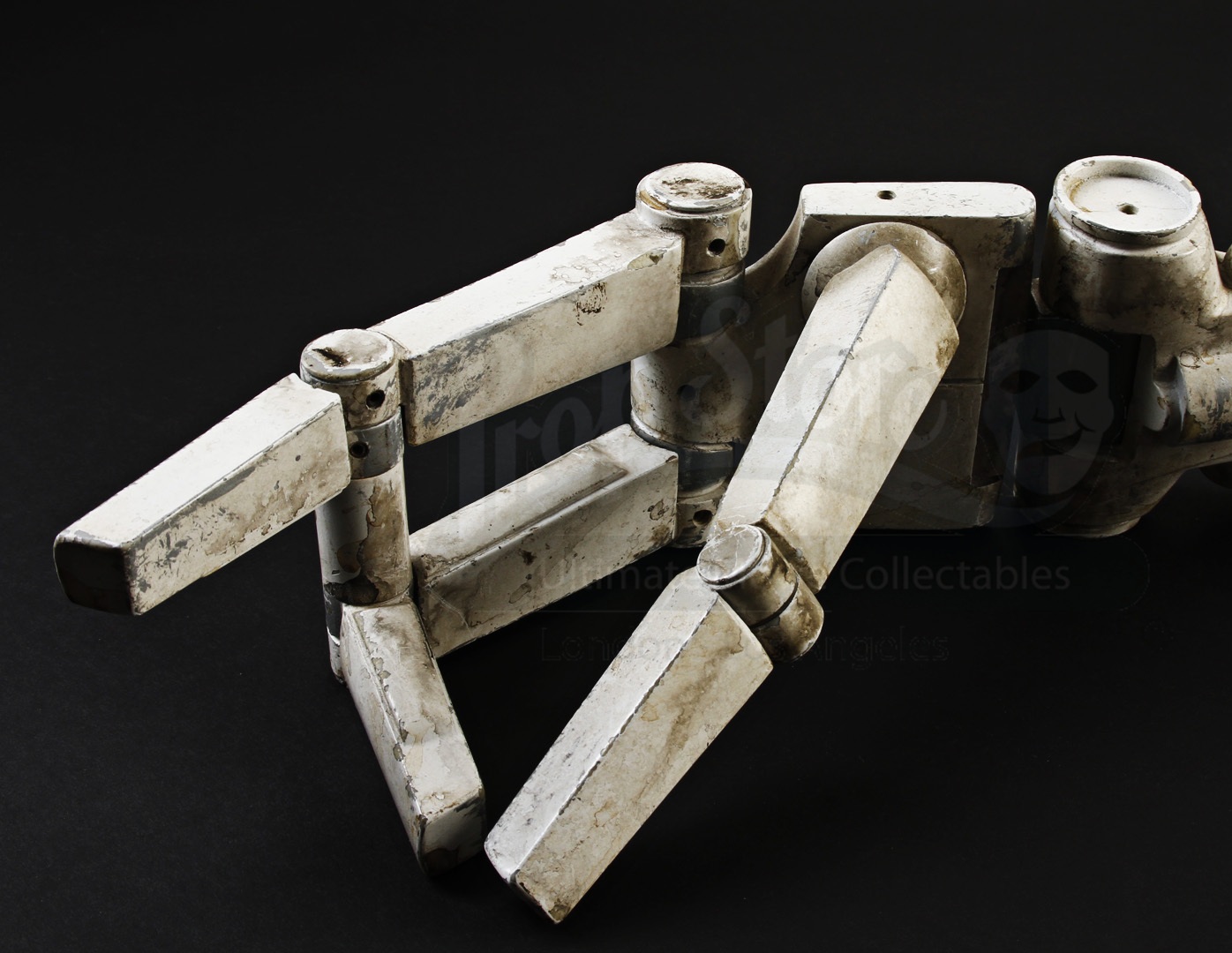
When we last checked in, my battle droid arm project had been printed, resin-filled, cleaned up and given a base coat of paint. Next came the fun part: assembly! To allow them the proper range of motion, the hand and forearm joints were articulated with turned pins and set screws, as it appears the original was made (although I have not yet added the tiny set screws in the fingers; my thumb can do more than just rotate in a circle, as it has an actual captive ball-and-socket):
As you can see, I really need to add some extra-grungy finger grime!
To really sell the artifact as a battlefield relic, I originally wanted to include some cables or wires poking out of the top of the shoulder, but my research turned up the surprising conclusion that such details wouldn’t be necessary.







 Living History in the Star Wars Galaxy