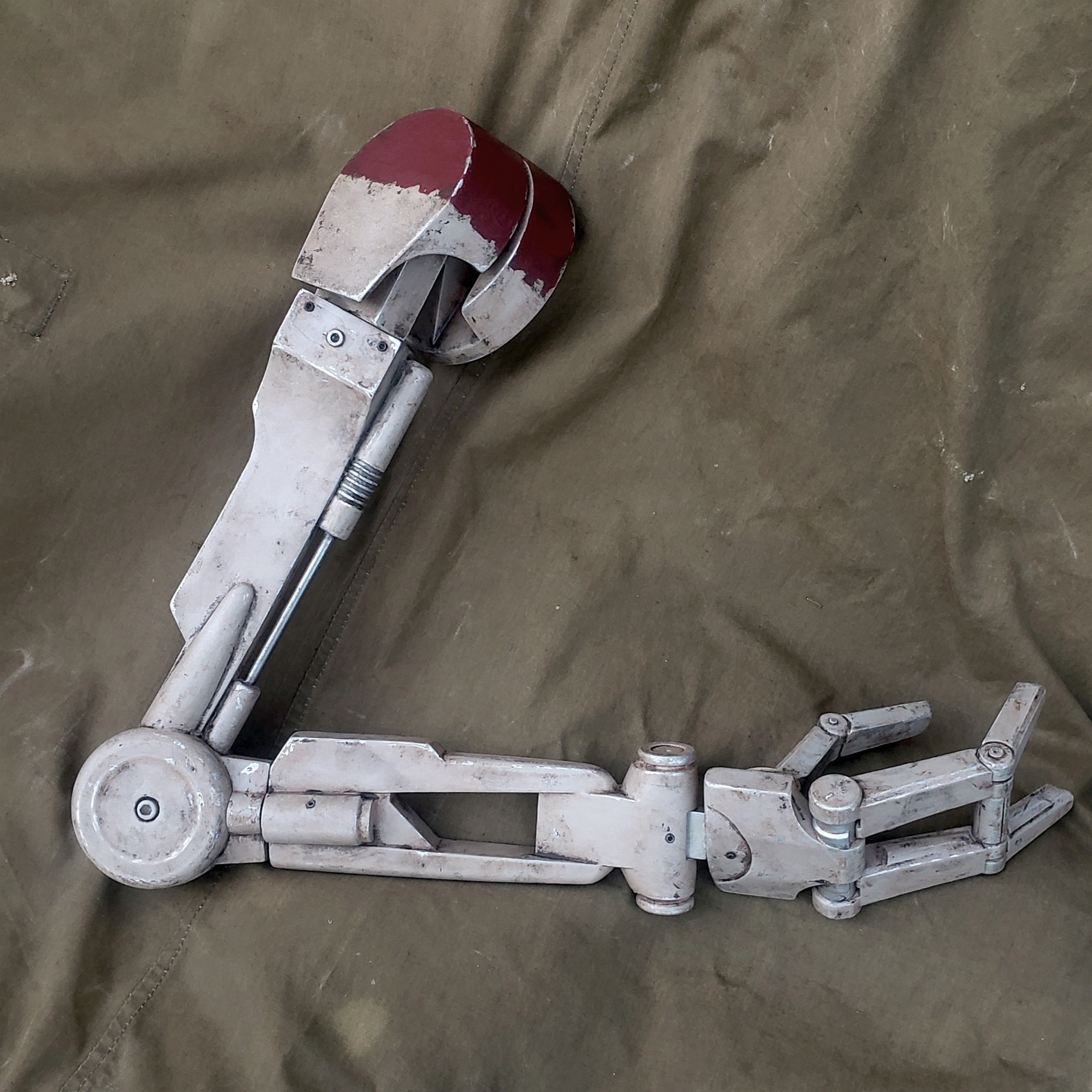
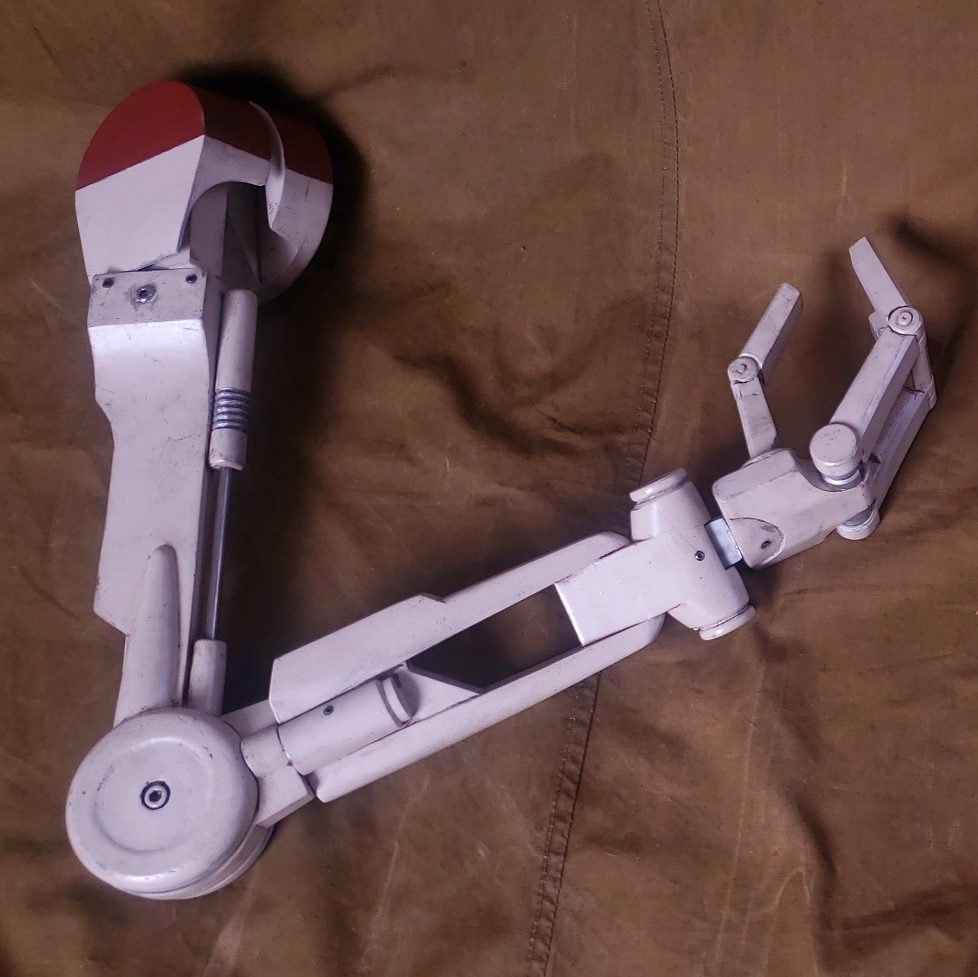
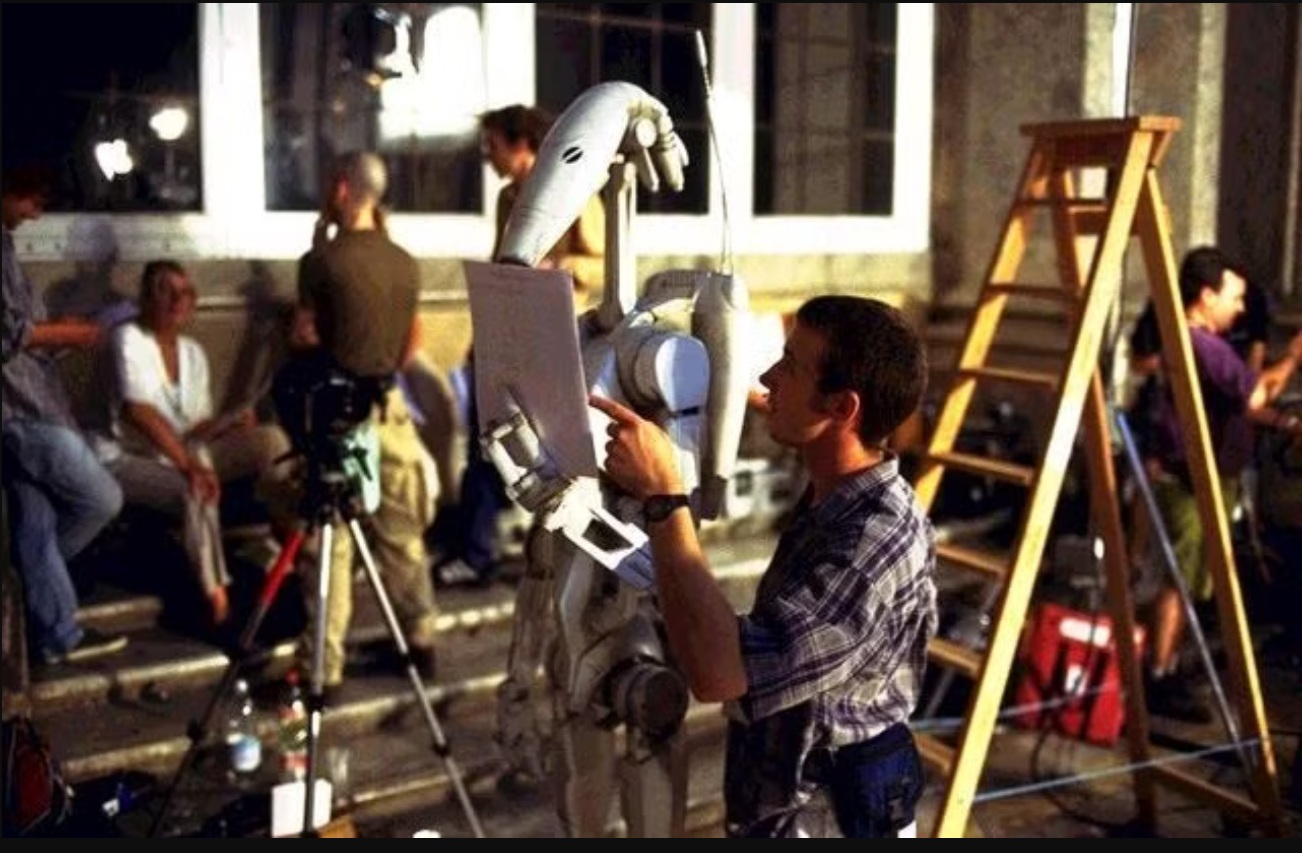
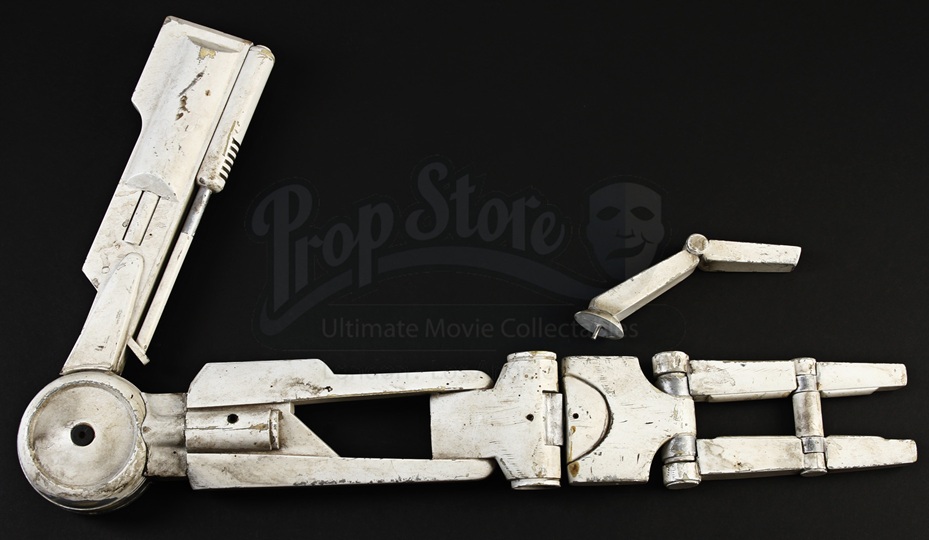
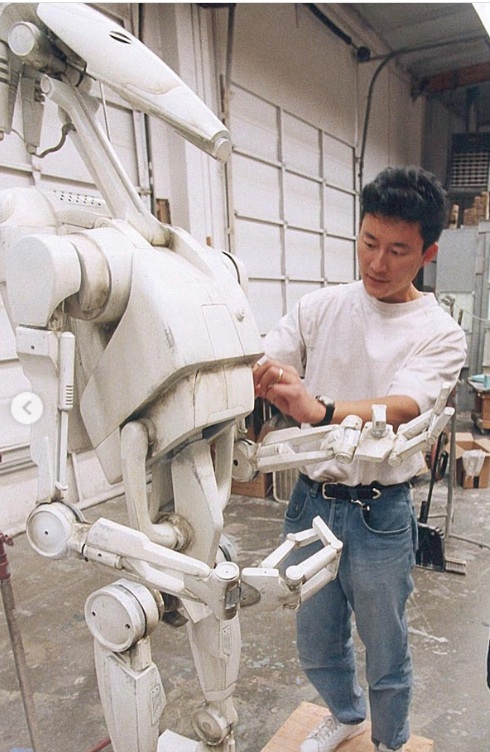
It’s back! Credit for this renovation goes to eagle-eyed site reader S.C., whose critique (back in October 2020 when I first unveiled this project!) that my droid arm looked more bone white than the onscreen droids was absolutely valid! Since the onscreen droids appeared different colors in various scenes, and I was using as my primary reference a physical prop (apparently) from the film, I chalked the discrepancy up to onscreen lighting. However, looking at the auctioned arm and making-of photos, it’s clear that the physical droids created for Episode Iwere an entirely different color from the CGI droids in the final product – presumably, they were meant as lighting references for the CG artists:
Regardless, a big factor that kept this project from better screen fidelity in the first place is the color inconsistency between the various B1s in Episode I – or at least (as usual), the color grading differences between various editions of the film playing havoc with our perceptions! Just compare these two shots of the same scene, and the effect that the slightly cooler lighting of the first has on the droids’ color:
Welcome back to another installment of the Galactic Style Guide, the monthly series where we break down the ‘Star Wars aesthetic’ in order to help you create a more authentic ‘outer persona’! In this entry, we’re taking a look at examples of a rarely-seen category of ‘pocket trash’ which can really help to ground an impression in the Galaxy Far Far Away – we’re talking ID cards! To show the evolution over time, I’ve chosen to present these in real-world chronological order, starting with examples from the West End Games era.
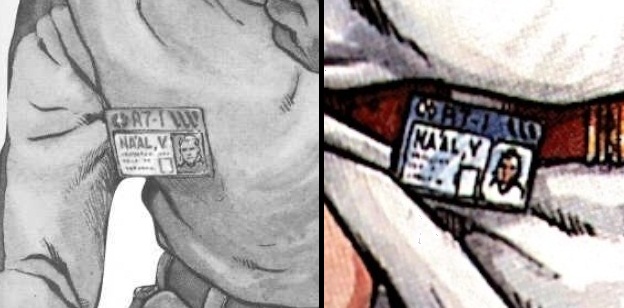
MerenData IPI-1000 (Galladinium’s Fantastic Technology sourcebook, 1995)New Republic historian Voren Na’al wears his ID clipped to his tunic and on his belt (SWRPG 2nd Edition Revised & Expanded, 1996)many more examples within!
Welcome back to our monthly spotlight series! In this feature, I interview Star Wars costumers who have ‘gone the distance’ and put in the effort to create solid, in-universe outfits or personas. This month we’re talking with Kristen Jones, co-founder of J&K Props, about the creation of her incredible desert nomad/bounty hunter impression:
Welcome back! This is the third and final part of my buildlog for attempting to scratchbuild an N1 starfighter pilot’s helmet. When we left off, I had the scaling figured out and patterns drafted, and the side pieces and earmuff details created. Now it’s time to craft the helmet’s shell itself. To get an idea of how the helmet would look, I transferred the patterns to lightweight cardboard and taped everything together to make a rough mockup of the whole assembly to check the general shape:
This was bonded along the seams (inside and outside) with brown paper bag and PVA glue (left) before brushing both exterior and interior with Bondo resin (center):
Hello there! Welcome back to my buildlog for recreating an N1 starfighter helmet – let’s not waste any time and get straight into the process! In my last post I determined how big the components of the helmet would be, and decided on a method for construction (Pepakura). While I originally wanted to make all parts of the helmet using Pep, I decided that the Y-shaped-part-that-holds-the-earmuff was complicated enough that I should make them out of something more substantial.
I first considered making a mold and casting them in resin, and when I want to feel like a real prototyper, that means carving a positive from amber ‘victory wax’. Well, after a few days I had built up the shape pretty close – I figured I would cast the pieces fairly roughly, and then do the fine shaping on the casts, since resin doesn’t heat up and deform in-hand. However…
Before we get started, a quick scheduling note: the project that follows was a long and involved process, involving many different skillsets (including—but not limited to—pattern drafting, sculpting, casting, and woodcarving). Instead of trying to cram all that into one mega post, I’ve decided to split it up into three parts, and rather than dole them out separately across most of this month, I’ll be posting all three today (we’ll return to regular programming next week). With all that out of the way, let’s get started!
With little else to occupy my time while backpacking thousands of miles last year, I spent a large part of my AT thruhike thinking about ways I could improve my various Star Wars reenacting/living history kits when I got back home. Along the lines of adding a Q2 holdout blaster to my Rebel-on-Naboo impression, I wondered if there was anything else I could do to help anchor my kit to that specific planet. While the popular conception of Naboo is of a peaceful, pacifist culture, that’s not exactly the case. While they may not have a proper standing army, the Royal Naboo Security Forces are plenty prominent in the pre-Imperial period and have plenty of hardware to incorporate into a kit. Just as Earth military gear of past generations can trickle down to the civilian market as surplus and family heirlooms lay forgotten in attics, I figured something similar could happen on Naboo as well, especially following their effective demilitarization under the New Order. While I was never really onboard with the ‘pearl hats’ of the Royal Guards or the Security Guards and Officers’ visored caps, the headgear of one RSF branch felt like it had more Star Wars-y pedigree than the others: the Naboo Starfighter Corps. Their flight helmet is so iconic yet has such a grounded design I thought it might be fun to add one to my kit…and after supper one night in our tent I made a quick doodle of what a Naboo partizan might look like wearing one:
And once I make a character sketch, it’s all over – I have to make it a reality!
Once we returned home, I was able to do some research and see what kinds of options I had. Somewhat unsurprisingly (?) it doesn’t seem as if many fan-makers have tackled the N1 helmet…as far as I could tell, only one other (rather exquisite) fanmade example existed, produced by one ‘Godzilla’ (of super-accurate Tusken Raider mask fame). Perhaps one reason for this dearth was because an official N1 helmet replica does exist…they pop up on eBay from time to time but are typical quality for Don Post – they’re basically just a cast plastic shell with a mediocre paintjob – and more than I want to pay for such a thing. After being away from my workshop for so long, I really needed a project to get back in the Maker groove, and thought a scratchbuilt Naboo pilot helmet would do the trick nicely! The obvious question was: HOW?
Hello there, folks! We don’t have a regular post for you this week, but believe me that next week will more than make up for it (a triple-header, in fact)!
As I was reflecting recently, I’ve been a maker of Star Wars clothing, costumes, props, and gear for over 20 years! After building and growing my skills for so long, I’ve been thinking it might be time to try and turn my hobby into a small business. So…
To help identify my market and see what potential products people might be interested in, I’ve created a short, anonymous survey, which you can find HERE. Your participation will be greatly appreciated – thank you!
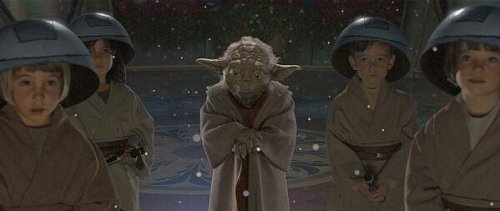
I talk a lot on this blog about the idea of ‘reenactorisms’ – inaccuracies that get unknowingly (or knowingly!) perpetuated because someone didn’t do their research. Usually when discussing these blunders we’re talking about individuals making them, but I wanted to point out two examples to day that prove the big players are not immune to making sloppy mistakes either! Following the release of Episode III in 2005, LA’s FIDM (Fashion Institute of Design and Merchandising) hosted the exhibit Dressing a Galaxy, which featured 100 screen-used costumes from Episodes I through VI. From the pictures I’ve seen online it was an absolutely incredible presentation. However, one tableau of costumes held a glaring mistake for all to see:
Anything seem ‘off’ about this?
If you can’t spot it, maybe we’d better check the references:
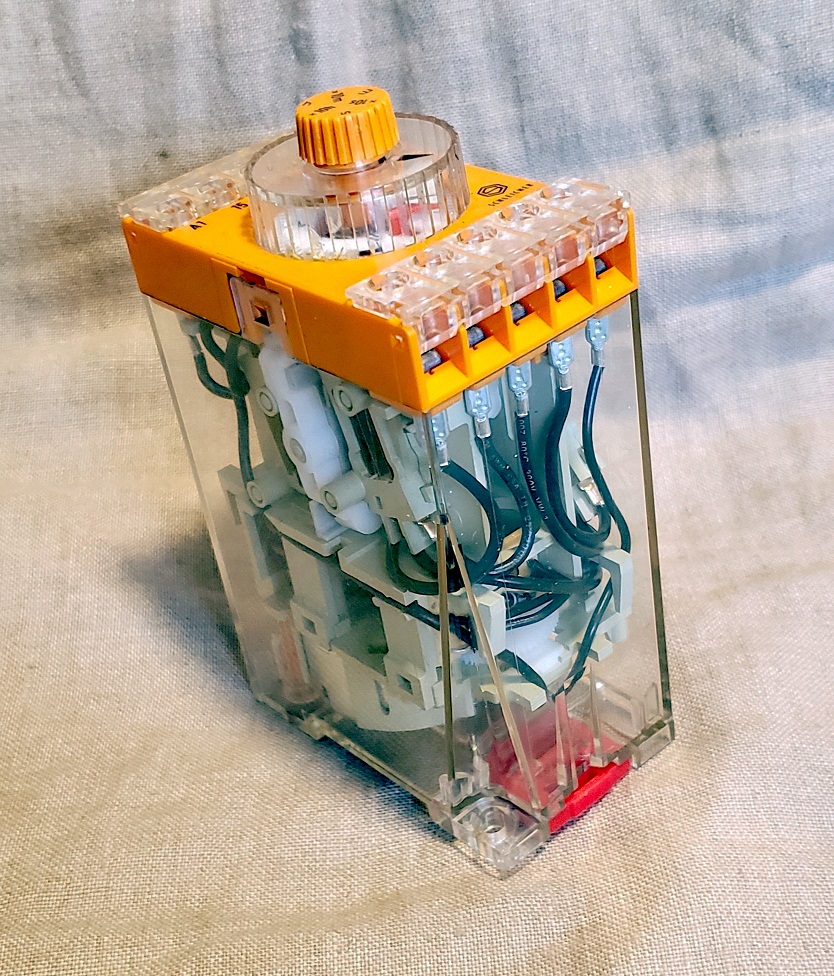
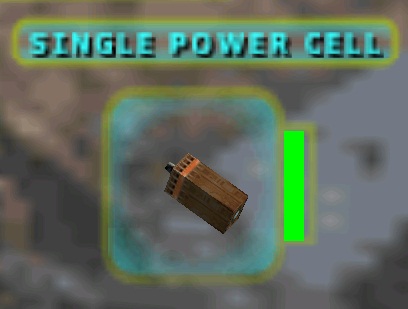
I had written about this prop years ago, but that was really just noticing that the item Qui-Gon hands Anakin was the same as one in the Episode I Racer game:
Well, last week I decided to enlist the help of the prop hive-mind and posted a thread on the RPF seeking help in identifying this piece, and in a surprisingly rapid timeframe, one of the respondents had it pinned down!










 Living History in the Star Wars Galaxy