Galactic Style Guide – Designing Foundational Characters: part 3

Welcome back to the Galactic Style Guide, the series where we break down the ‘Star Wars aesthetic’ in order to help you create a more authentic ‘outer persona’ for your ‘denizen’ or OC.
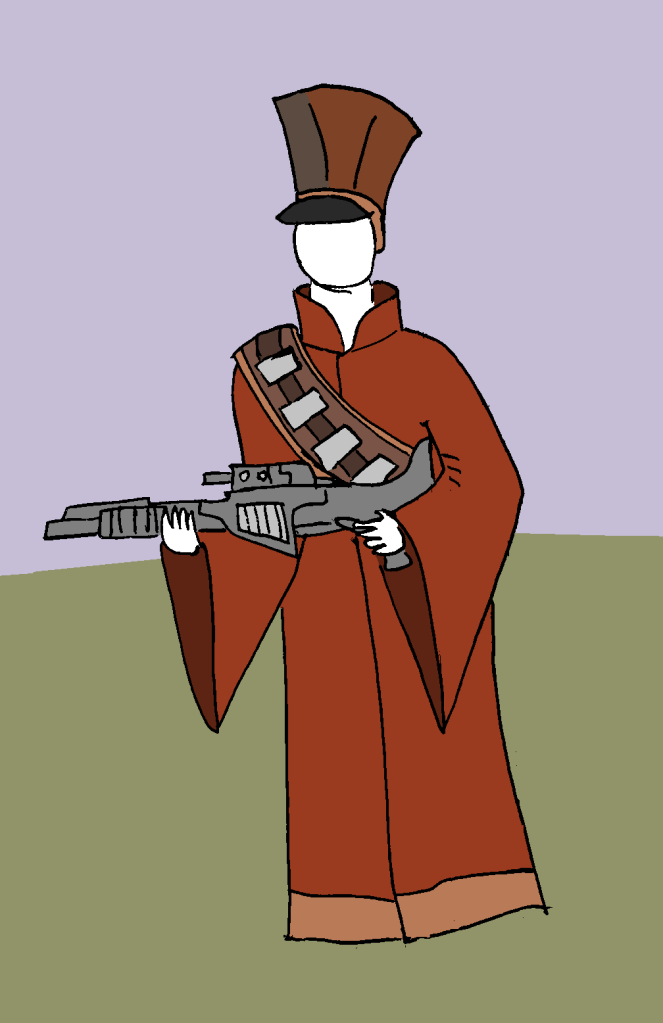
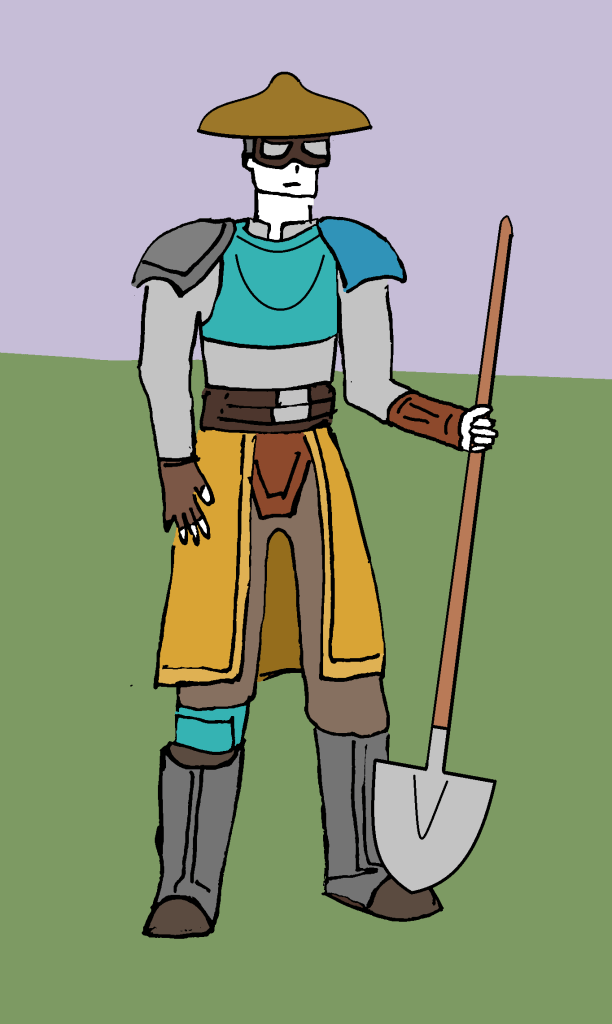
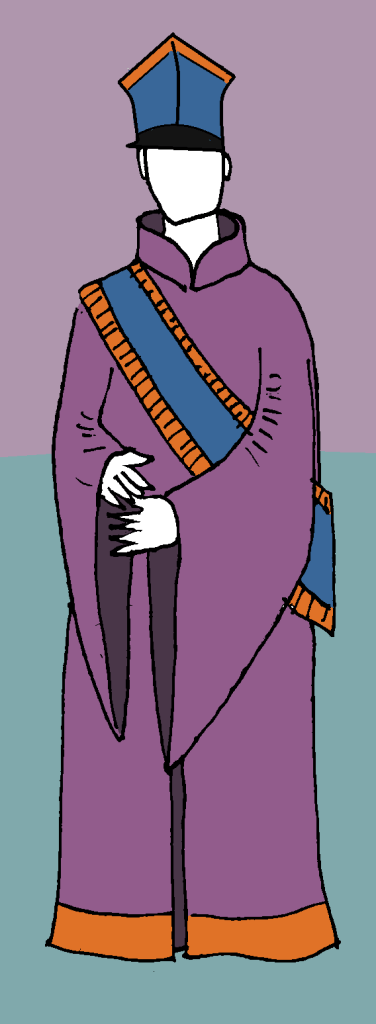
As pointed out in EC Henry’s excellent video on the foundations of good SW vehicle design (which I believe is absolutely applicable to character/costume design as well), the first requirement is an iconic design – i.e. like computer icons, Star Wars characters (and character types!) should be recognizable by their silhouettes and largely not be mistaken for each other.
Cosplayers new to the idea of ‘original character’ or ‘denizen’ costuming often chafe when exposed to the reality that the GFFA setting, while far-reaching, is not in fact without limitations, but operates instead within a specific visual idiom in which character types are associated with certain design styles.
We’ve explored several of these in our two previous entries, so this time, I want to show how trying to mix-and-match elements from these styles can actually sabotage otherwise-solid character concepts.

keep reading for more examples and artwork

Galactic Style Guide – Designing Foundational Characters: part 2

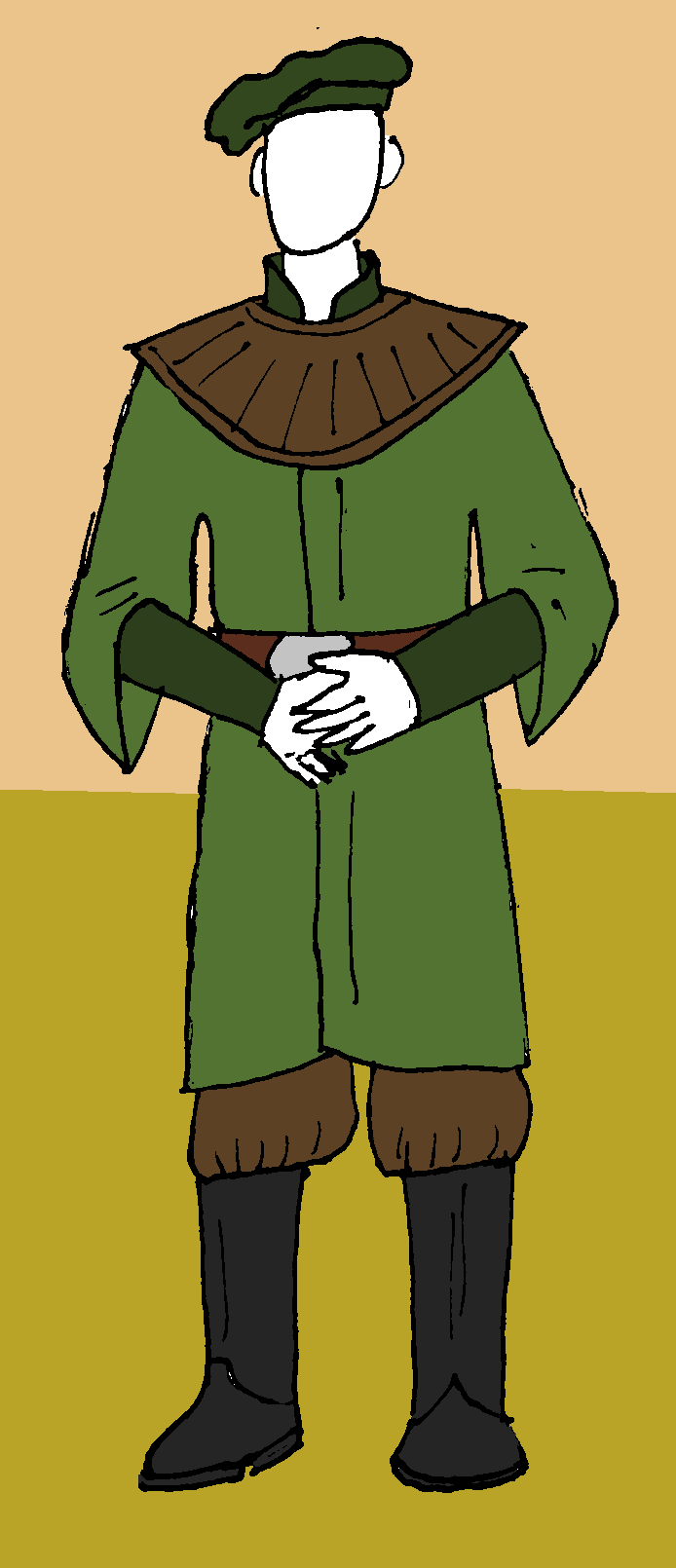
Welcome back to the Galactic Style Guide, the series where we break down the ‘Star Wars aesthetic’ in order to help you create a more authentic ‘outer persona’! Continuing on from our last entry, we’re trying something a little different. As we said last time, the first requirement for a great character is an iconic design – i.e. like computer icons, Star Wars characters and character types should be recognizable by their silhouettes and largely not be mistaken for each other. What exactly makes each of those character archetypes unique is the question we’re discussing right now!

-As we’ve seen before, upper-class characters (like politicians, diplomats, etc.) typically wear less tailored garments, relying instead on more voluminous robes and cloaks made of lushly draped fabrics often more colorful than what the average citizen wears. While still rare overall, patterns are somewhat more frequently seen among this group, but silly hats are well represented!

keep reading for more character examples and artwork

Galactic Style Guide – Designing Foundational Characters: part 1

Welcome back to the Galactic Style Guide, the series where we break down the ‘Star Wars aesthetic’ in order to help you create a more authentic ‘outer persona’! In this installment, we’re trying something a little different!

Cosplayers new to the idea of ‘original character’ or ‘denizen’ costuming often chafe when faced with the reality that the Galaxy Far, Far Away, while far-reaching, is not in fact without limitations, but instead operates within a specific visual idiom in which character types are associated with certain design styles:

“[Lucas] made pronouncements of a general nature … First of all, he wanted the Imperial people to look efficient, totalitarian, fascist; and the rebels, the goodies, to look like something out of a Western or the US Marines [in Vietnam]. He said, ‘You’ve got a very difficult job here, because I don’t want anyone to notice the costumes. They’ve got to look familiar but not familiar at the same time.’ – _The Making of Star Wars_ (Rinzler), p.130.

“[Mollo] broke down the [Episode IV] characters into general costume themes:
peasant costumes (Russo-Japanese); Western/U.S. cavalry/motorcycle looks; Nazi-style uniforms/armor/cloaks; space technology-type outfits; ladies’ mock-medieval/Tarzan attire; semi-monsters with armor; and full monsters.” – _SWCOT_ (Alinger), p.16. From the sound of it, these categories roughly correspond with: Tatooine civilians, Alliance leadership/Han, Imperials & Vader, pilots, Leia/upstrata, Chewbacca, and…???

As pointed out in EC Henry’s excellent video on the foundations of good SW vehicle design (which I believe is absolutely applicable to character/costume design as well), the first requirement is an iconic design. Like computer icons, Star Wars characters (and more importantly for us, character types!) ought to be recognizable by their silhouettes and largely should not be able to be mistaken for each other: in other words, each of these “classes” has a specific visual style that makes it unique; because of the ‘period piece’ nature of the setting, these visual styles usually hearken back to some historical antecedent, albeit often slightly remixed.
For those interested in creating an ‘OC’ for cosplay/costuming/reenacting/living history purposes, I’ve used the above categories as a jumping-off point to break these character archetypes into general style pointers, hopefully to help illustrate what makes each look unique and how to avoid a key pitfall when creating such characters.

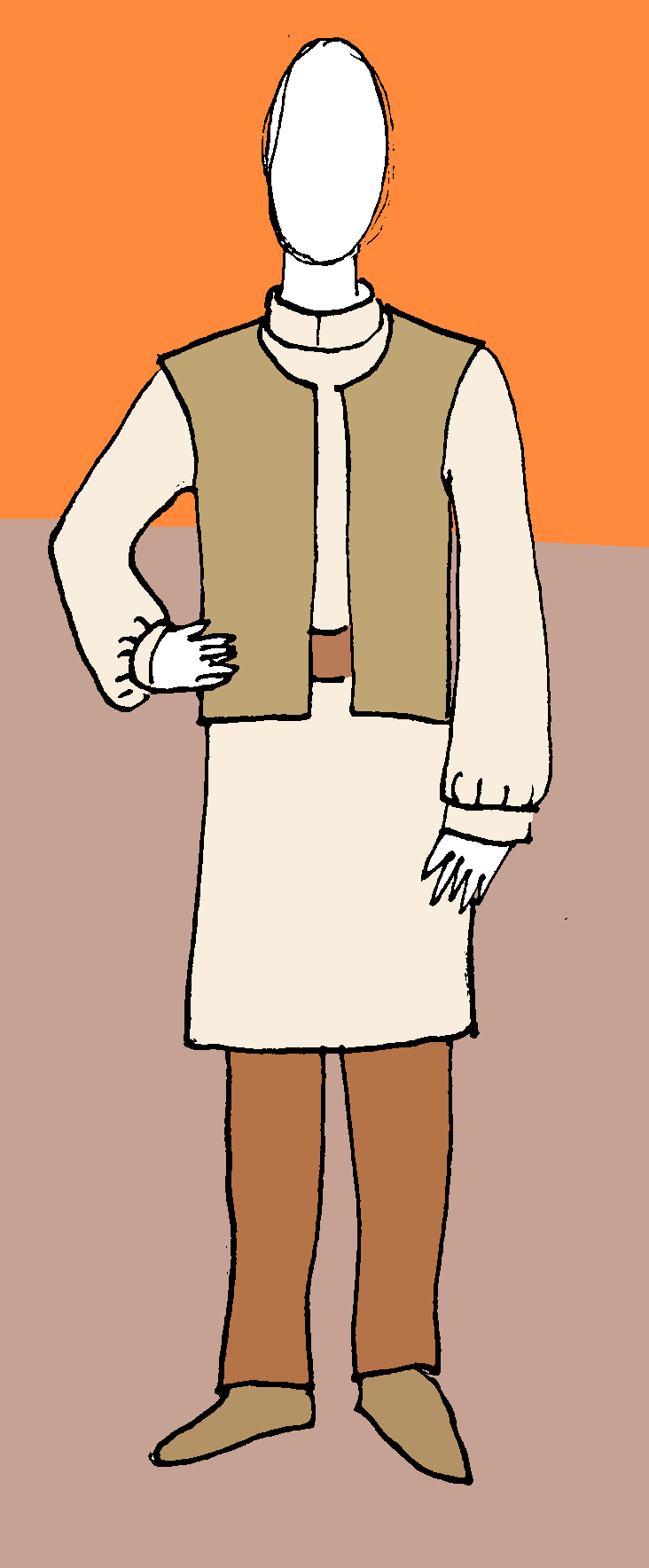
We’ll begin with general ‘galactic ‘peasants’ (what we might call ‘commoners’ or civilian-type characters), which is a wide category and varies (naturally) by planet:

keep reading for more character archetypes and artwork
Diamonds in the Rough – Colin “OddViking” Adams (part 1)

Welcome back to our monthly spotlight series, where we discuss Star Wars costumers who have ‘gone the distance’ and put in the effort to create solid, in-universe outfits or personas. This is actually the first half of a two-parter, because our subject has gone so totally above and beyond and built an incredible kit with tons of details that spreading it out over two months is the only way to really do it justice!

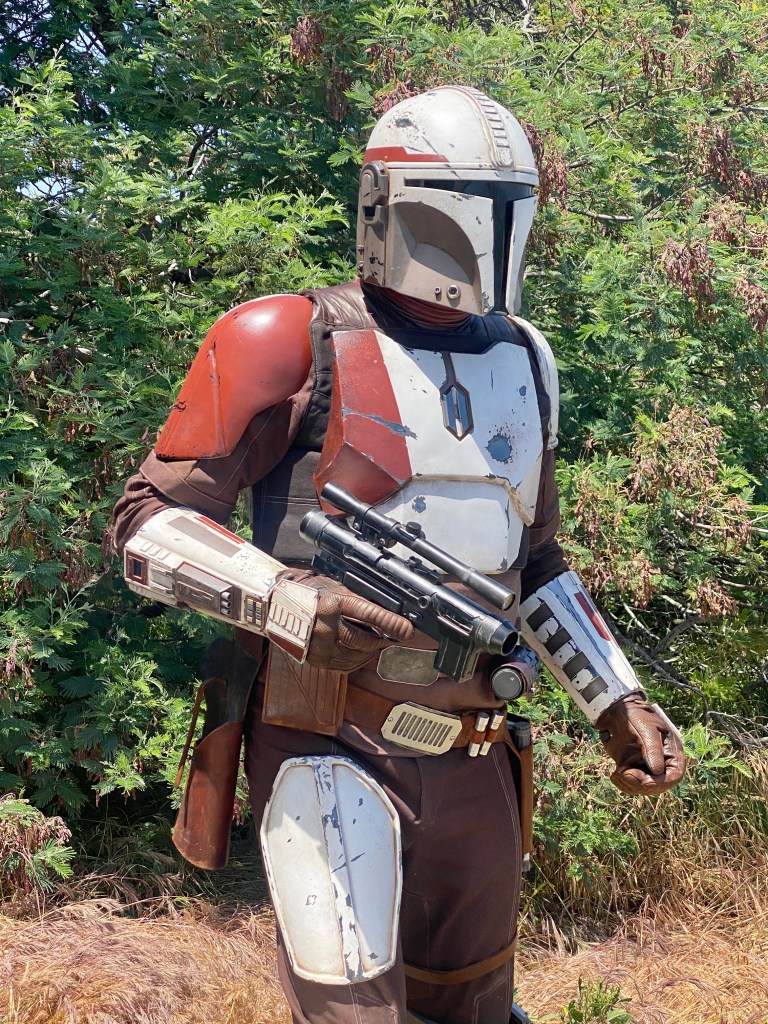
If you’ve spent any time exploring Star Wars content on Instagram in the last several years, chances are you’ve seen Colin Adams’ incredible work before. As a professional graphic designer/illustrator, Colin has a very large bag of tools to draw from, and puts them all to good use with a number of impressive cosplays and kits, each fully-detailed and seamlessly dropped into immersive settings with the magic of Photoshop. At the beginning of this year, when I saw Colin was starting a custom Mandalorian build, I knew the final result would be amazing. As we’ve discussed previously in our First Steps series, one of the keys to successfully creating an effective GFFA character is to dedicate time at the beginning of the process to doing your research and really nailing down what the ‘outer persona’ should look like.

creating this incredible mando kit, step by step

Drawing on history

Back in 2015, a museum exhibit in Belarus showed off a set of reconstructed costumes from early medieval (8th-12th centuries CE) Baltic cultures. Shortly afterwards, the outfits began making the rounds online, eventually getting shared to a Middle-earth reenactment group I’m a part of. We all thought they were very impressive: inspiring examples of what culturally-cohesive outfits can look like. Then, a year or two ago, I saw the exact same pictures again—but this time in a Batuu-bounding group on facebook! There, they were prefaced with a message like, “check these out – wouldn’t these make great bounding outfits?!”


While they are still great outfits, as-is, I had to disagree with the idea that they would be appropriate for GFFA use. As Doug Chiang pointed out in a recent interview, the thing that makes Star Wars feel so authentic as a setting is the eclectic use of mix-and-matched historical inspirations* (thanks largely to John Mollo’s foundational designs)not merely using unmodified, straight-up historical ensembles! [As it’s pure gold, I’ve included Doug’s full quote at the end of this post, so keep reading.]
However, I could definitely see the appeal, especially in the outfits’ silhouettes, and challenged myself to apply a GFFA lens to the Baltic costumes and see if I couldn’t bring them nearer to the Star Wars aesthetic. I challenge you to try the same thing with other historical styles you may be inspired to use in your own outfit!

Let’s start with the red kit first. My main method used was to try and find an in-universe equivalent to each item:

Continue reading “Drawing on history”

Galactic Style Guide – Color II

Welcome to another installment of our ‘Galactic Style Guide counterpoint’ subseries, where we help you strengthen your ‘Star Wars eye’ by highlighting and remedying common mistakes that can make an outfit look Not Star Warsy. As part of the Galactic Style Guide, the ultimate goal is still to help you create a more accurate ‘outer persona’ – but we approach the goal from the opposite direction!
As I teased last time, we’re going to be working with at an excellent tool for helping us see the ‘Star Wars look’ in action: Mando Creator . This handy bit of coding lets users create their own two-dimensional Mandalorian outfit by customizing every element in terms of design, color, and decoration. If you’ve used Bitmoji, HeroCreator, or similar avatar-making tools, it’s pretty easy to get the hang of. I’d never played with it before, and in 20 minutes I had made up my own hypothetical Mandalorian kit!:

when you know the rules, it’s really not that hard to make something that looks passably in-universe

One of the coolest parts—at least for the purposes of training our ‘Star Wars Eye’—is the Armor Gallery feature, where we find (in addition to a few novelty designs and face characters like Din Djarin and the Fetts) a wide variety of completed assemblages submitted by other users.

two easy tweaks to boost your in-universe style accuracy!

Galactic Style Guide – Color I

Welcome to the first entry in our ‘Galactic Style Guide counterpoint’ subseries! Where the GSG could be summed up as ‘how to look Star Warsy’, these alternate posts are meant to highlight and remedy common mistakes that can make an outfit look Not Star Warsy!
From the very beginning, the world of Star Wars has always had a very specific visual style. Unlike the matinee serials it was inspired by (in which heroes wore shiny, silver bodysuits and enemies wore bright gold and scarlet robes), the Galaxy Far Far Away was much more grounded in its visuals. While characters might fly starships across the galaxy and duel with swords made of pure energy, they didn’t dress futuristic. Chief costume designer John Mollo’s mix-and-matching of real world historical styles (Russian/Japanese peasantry, American cowboys, medieval gowns, World Wars military uniforms, etc) for inspiration provided the solid and believable foundation from which the series’ visuals would evolve. As part of this grounded approach, most characters tend to wear costumes in a very specific range of colors:

“The color scheme basically was the baddies would be black or gray, with the exception of the stormtroopers, and the goodies should be in earth colors—fawns and whites… Mollo tried to keep the colors muted wherever possible. Color is very, very difficult to use. Bright colors don’t work well on film, particularly reds and blues. George always goes for the authentic….and if it’s all garish color, it doesn’t work.” (Brandon Alinger. Star Wars Costumes – the Original Trilogy, 2014. p 15.)

This rule does not mean, however, that your outer persona need be limited to earth tones and shades of gray – as we saw a few weeks ago, there are tons of examples of characters wearing every color of the rainbow (especially in the pre-Imperial period)! However, if you noticed, almost all of them had something in common. As we read above, the main rule for creating authentic in-universe clothing is simple: Avoid. Garish. Color.: thus, if a garment is a fully-saturated hue, it is much less likely to ‘read’ as being authentic to the Star Wars setting. Let’s take a look at what I mean.

unSWarzy colors fixed using digital wizardry, within!

Star Wars Color Theory

As I was preparing an upcoming post, I started wondering which characters in the Saga wore colors beyond earthtones, black, white, or shades of gray. I started leafing through my Visual Dictionaries and several hours later I had created the following rainbow of characters. These are presented in chronological order within each color band, and as we cans see, Trisha Biggar’s costumes for the Prequels are FAR more colorful than those of the Galactic Civil War period. If I do a third collection for all the blacks, whites, grays, and earthtone characters, I’m sure there will be many more OT characters represented.

Show me The cooler end of the spectrum!

Upgrading the Rebel persona: camouflaged helmet

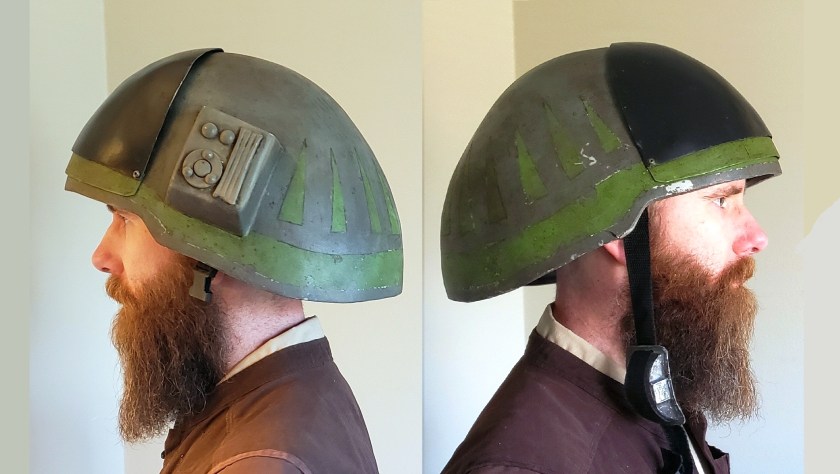
Ever since completing it back in the summer of 2017, I was never fully satisfied with my Rebel ‘swoop’ helmet. My dissatisfaction wasn’t necessarily with the construction—despite being my first serious foray into Pepakura, I think I pretty closely nailed the shape and paintjob (accurate light gray, not white!)—but rather with its usefulness to a Rebel fighter….

how it started…
What’s wrong with the classic swoop?

More galactic whittling – CR70 corvette

It’s been quite a while since I’ve had any new Star Warsy whittlings to show off! I had planned to do some whittling along the Appalachian Trail last year (and found the perfect little neck-knife in a hiker box)…but unfortunately hiking 15-20 miles a day doesn’t leave time for much else besides eating and sleeping. I actually carved up this little consular ship last midwinter, and forgot I had been sitting on it for a whole year! Unlike the Republic cruiser I last whittled, this one was made out of poplar, so I was able to include a much higher level of detail:

It’s almost certainly Blockade Runner nostalgia, but I think this line of ships look so much better seen from an aft perspective.

Contrary to popular belief, while they look very similar, this is NOT the same model ship as the iconic ‘blockade runner’ of Episode IV!

persistent inaccuracies and more pictures below!