Updating the Naboo partizan – Inner Persona

While the new-home renovations continue, I am still at least a month from having a functional crafting studio or workshop again, and so in the interest of avoiding a lull and having to overcome the inertia to resume publishing (and to get some pieces out of my drafts!), I thought this would be a good time to check in with the state of some of my galactic impressions. Links to each of these breakdowns will all be collected at the Personas and Impressions page ^above^!

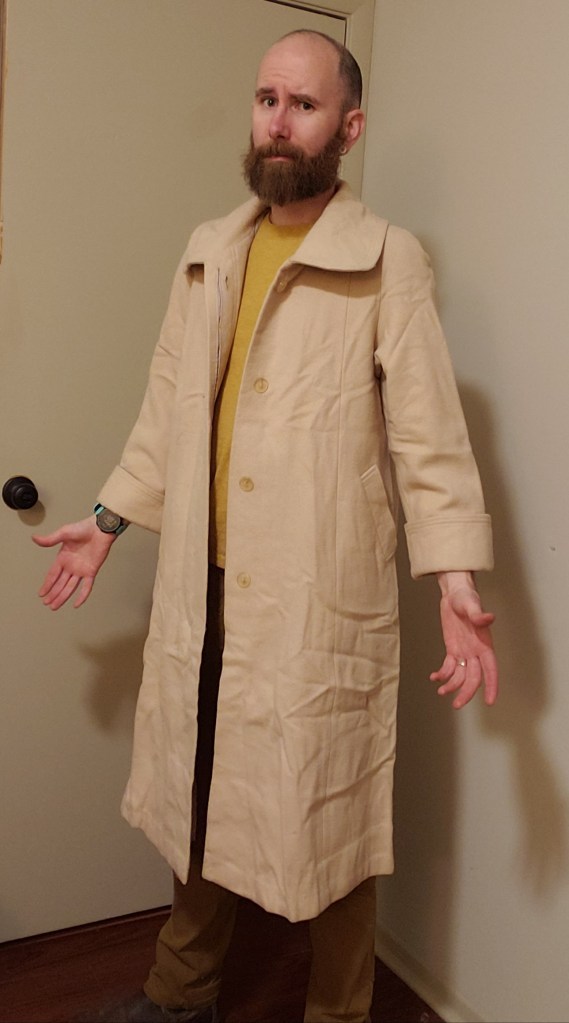
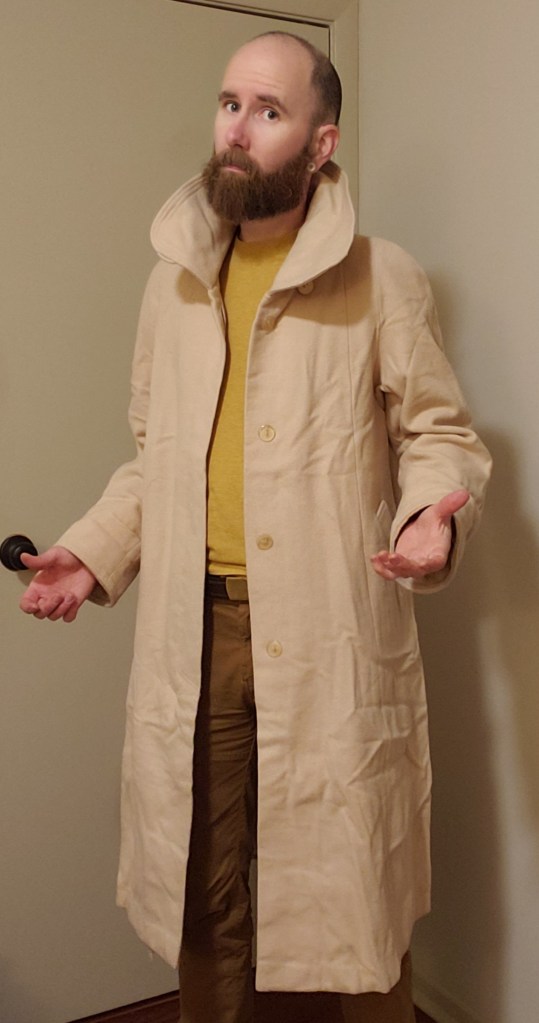
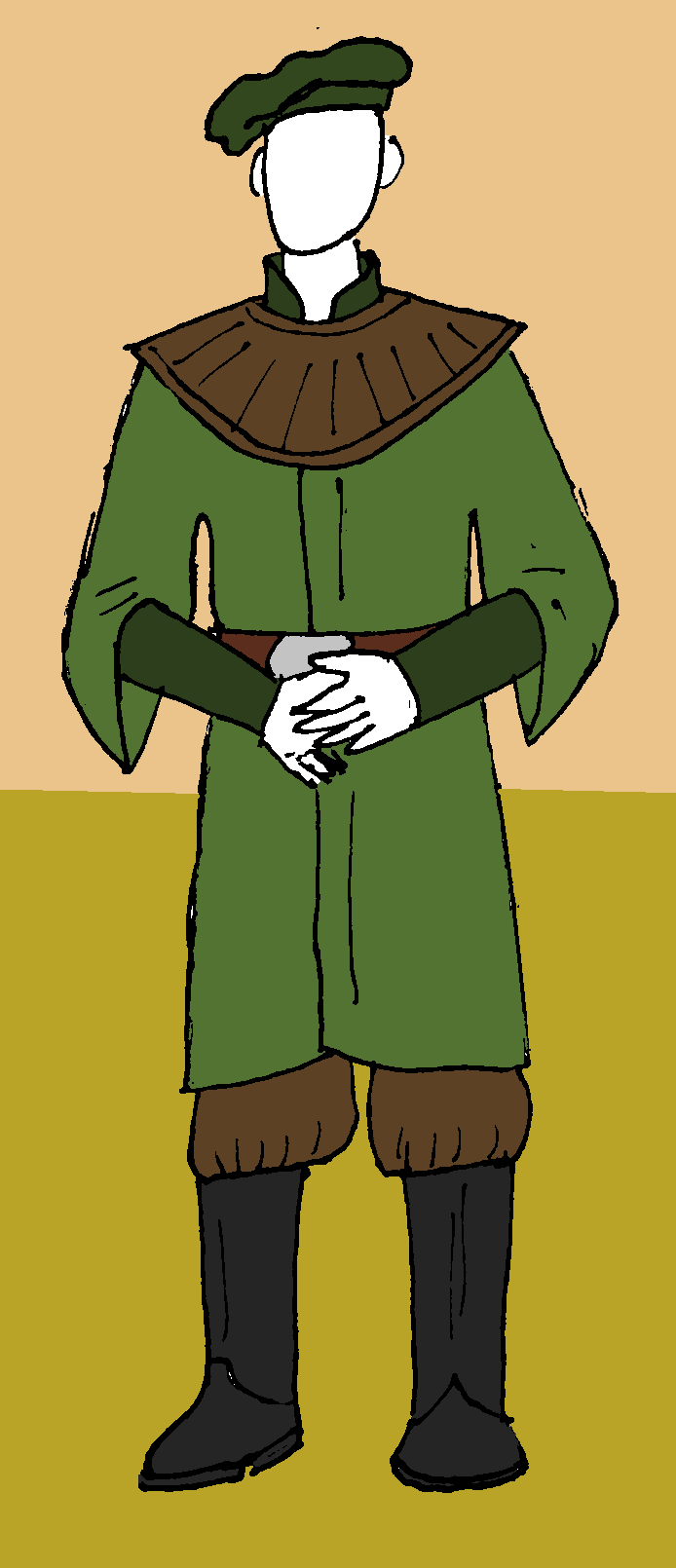
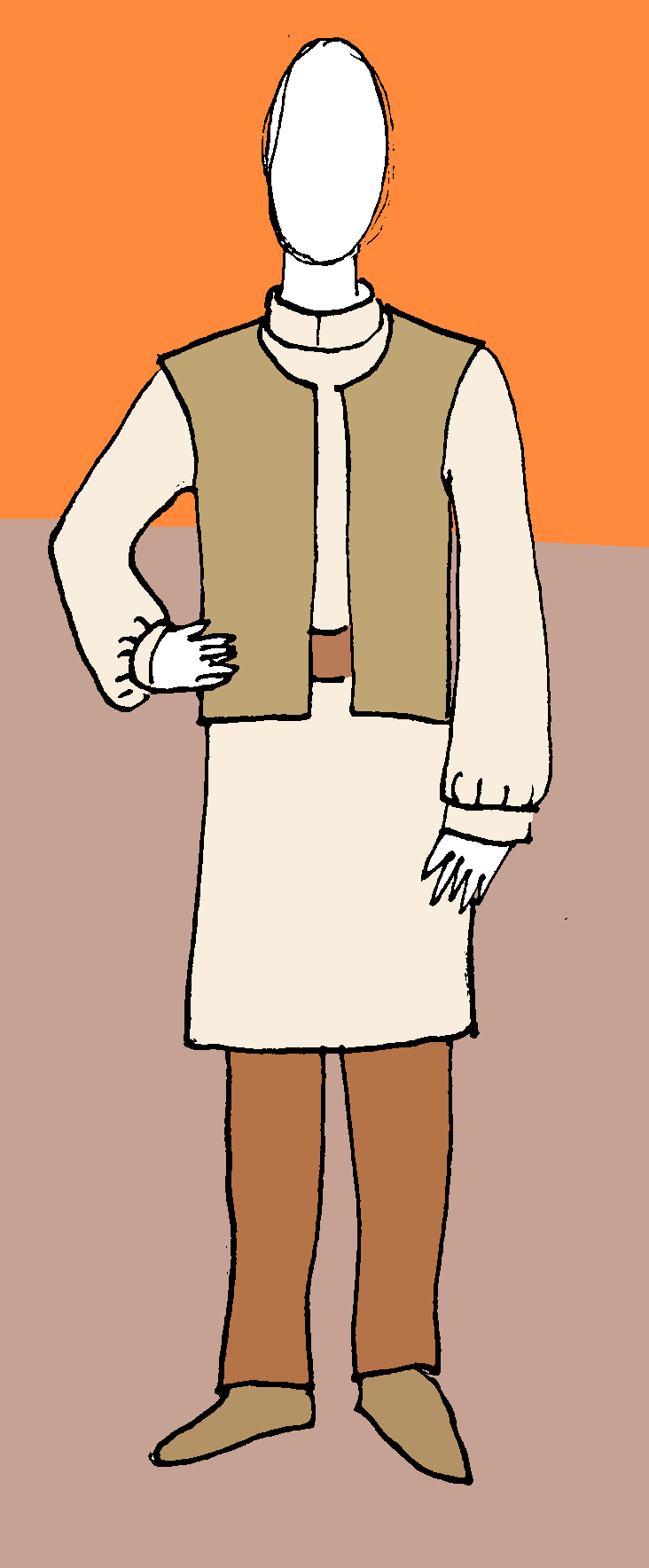
Seeing as how I’ve continued to rework this impression in the years since its ‘first draft’, I want to show how things have progressed, and also serve as a benchmark for any changes I make in the future. Since Naboo pretty much drops off the galactic stage after about 18 BBY, this impression required a large amount of ‘frog DNA’ to extrapolate and create a complete kit from a specific time and place. However, as I hope will become clear, this method of taking the truth of my own life and ‘translating’ it to an in-universe context works very well for creating a fleshed-out but believable persona that stays within the bounds of the setting. (Numbers in [brackets] refer to reference sources in end notes.)

Naming:

‘Steen Olis’, in Naboo’s informal Futhork script
Turn your own life details into a believable galactic backstory!

Galactic Style Guide – Designing Foundational Characters: part 1

Welcome back to the Galactic Style Guide, the series where we break down the ‘Star Wars aesthetic’ in order to help you create a more authentic ‘outer persona’! In this installment, we’re trying something a little different!

Cosplayers new to the idea of ‘original character’ or ‘denizen’ costuming often chafe when faced with the reality that the Galaxy Far, Far Away, while far-reaching, is not in fact without limitations, but instead operates within a specific visual idiom in which character types are associated with certain design styles:

“[Lucas] made pronouncements of a general nature … First of all, he wanted the Imperial people to look efficient, totalitarian, fascist; and the rebels, the goodies, to look like something out of a Western or the US Marines [in Vietnam]. He said, ‘You’ve got a very difficult job here, because I don’t want anyone to notice the costumes. They’ve got to look familiar but not familiar at the same time.’ – _The Making of Star Wars_ (Rinzler), p.130.

“[Mollo] broke down the [Episode IV] characters into general costume themes:
peasant costumes (Russo-Japanese); Western/U.S. cavalry/motorcycle looks; Nazi-style uniforms/armor/cloaks; space technology-type outfits; ladies’ mock-medieval/Tarzan attire; semi-monsters with armor; and full monsters.” – _SWCOT_ (Alinger), p.16. From the sound of it, these categories roughly correspond with: Tatooine civilians, Alliance leadership/Han, Imperials & Vader, pilots, Leia/upstrata, Chewbacca, and…???

As pointed out in EC Henry’s excellent video on the foundations of good SW vehicle design (which I believe is absolutely applicable to character/costume design as well), the first requirement is an iconic design. Like computer icons, Star Wars characters (and more importantly for us, character types!) ought to be recognizable by their silhouettes and largely should not be able to be mistaken for each other: in other words, each of these “classes” has a specific visual style that makes it unique; because of the ‘period piece’ nature of the setting, these visual styles usually hearken back to some historical antecedent, albeit often slightly remixed.
For those interested in creating an ‘OC’ for cosplay/costuming/reenacting/living history purposes, I’ve used the above categories as a jumping-off point to break these character archetypes into general style pointers, hopefully to help illustrate what makes each look unique and how to avoid a key pitfall when creating such characters.

We’ll begin with general ‘galactic ‘peasants’ (what we might call ‘commoners’ or civilian-type characters), which is a wide category and varies (naturally) by planet:

keep reading for more character archetypes and artwork
Galactic Style Guide – Duffel Bags

Welcome back to another installment of the Galactic Style Guide, the series where we break down the ‘Star Wars aesthetic’ in order to help you create a more authentic ‘outer persona’! While the Galactic Starcruiser may no longer be taking on passengers and has instead been gathering dust for the last year, there’s never a bad time to do a little research and try to improve your ‘Star Wars eye’. Following up on our last entry, this month we’re looking at a specific type of soft, in-universe luggage, duffel bags!
Just a quick FYI/programming note before we begin: this entry is fairly quick and dirty, but there’s a good reason: my wife and I bought a house last month, and real life takes priority over hobbies, naturally! We’ve made lots of progress, but we’re still knee-deep in renovations and expect to be well into the New Year, but hopefully things go smoothly and I can get back to more regular and in-depth posting before too long. With that said, let’s get started!

Dark Horse’s Republic #80 (2005) with art by Doug Wheatley features padawan Noirah Na in the aftermath of Order 66, lugging around a large duffel bag as a backpack. Plus, for those following along after our last entry, a suitcase! What d’you know: it checks all of our boxes (interesting shape, logo and text free, muted color, and pre-Rollaboard design)!

keep reading for more examples!

Galactic Style Guide – Luggage

Welcome back to another installment of the Galactic Style Guide, the series where we break down the ‘Star Wars aesthetic’ in order to help you create a more authentic ‘outer persona’! While the Galactic Starcruiser may no longer be taking on passengers and has instead been gathering dust for the last year, I’m long overdue to examine examples of in-universe LUGGAGE! Back in its heyday, many Starcruiser passengers considered a themed suitcase essential for voyage immersion, but most of the ones I saw went pretty far off the mark from what we actually see onscreen…but there’s never a bad time to do a little research and try to improve your authentic ‘Star Wars eye’!
(But first, a quick FYI/programming note before we begin: this entry and next month’s are fairly quick and dirty, but there’s a good reason: my wife and I just bought a house, and naturally, real life takes priority over hobbies! I fully expect to be knee-deep in renovations well into the New Year, but hopefully things go smoothly and I can get back to more regular and in-depth posting before too long. With that said, let’s get started!

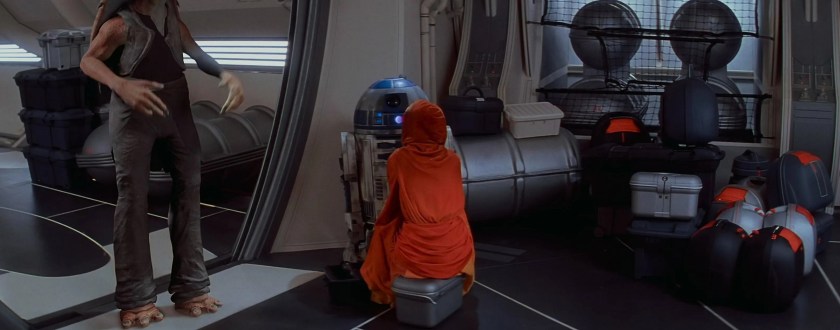
There aren’t many (if any?) examples of what we would recognize as luggage in the Original Trilogy. Luke has his blue backpack and a couple of trunks on Dagobah, but that’s about it – most everyone travels extremely light otherwise! It’s not until Episode I that we get a good look inside a ship’s cargo hold to see what traveling gear looks like in-universe.

The scene in which Padme cleans R2-D2 gives us our best look:

What does in-universe luggage have in common?

Galactic Style Guide – Binoculars

Welcome back to another installment of the Galactic Style Guide, the series where we break down the ‘Star Wars aesthetic’ in order to help you create a more authentic ‘outer persona’! It’s been a while since we’ve looked at any in-universe hardware, but in this installment, we’re digging deep into a specific type of gear used in the field across the galaxy: space binoculars!
A good set of binocs (whether macro- or electro-) are a great accessory to help add depth to an appropriate character impression, filling in for the collapsible brass telescope or ‘field glasses’ frequently carried by characters in various SW-influencing historical genres – whether that be swashbuckling pirates, Old West cowboys, or World War soldiers.
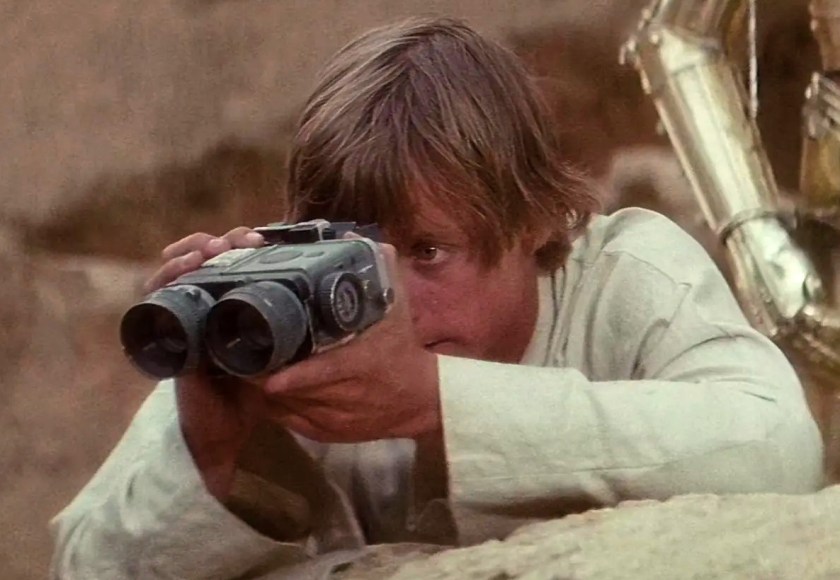
Let’s get started with our ur-example: the Lydree MB450 macrobinoculars carried by Luke back in SW’77:

keep reading to see TONS more examples!

HOW TO: Hide Your Buttons #2

In a previous post, I concluded by saying “when the flavor of the world is ‘no visible fasteners’, then cover up your darn buttons.” However, for some folks that may be easier said than done. If you like the idea of having an outfit be sans visible-fasteners but find the idea of how to actually make it happen a little overwhelming, then this post is for you!
Adding the ability to hide fasteners to your toolbox is a major level-up, especially for those outfitting an Original Character. Off-the-rack items can be great for dressing a ton of far-background characters, or creating a suggestive ‘everyday bounding’ look, but if you’re after a 100%-in-universe-legit look, these kinds of pieces can only take you so far. I hope you’ll note how our main characters almost always wear custom-designed garments, which may still be reminiscent or incorporate elements of familiar/off-the rack pieces, but usually tweaked just a little to give it that timeless GFFA flavor.
In this post, we’re going to show you a second method to create a button-free appearance on an upperbody garment by ‘genderswapping’ our garment, a version of which I’ve used before on this raw silk shirt retool project. How do you swap a piece of clothing’s gender, you ask? Keep reading to find out!

level up your costuming game with this handy skill

Galactic Style Guide – the Post-Disney era (part 2)

Welcome back to another installment of the Galactic Style Guide, the series where we break down the ‘Star Wars aesthetic’ in order to help you create a more authentic ‘outer persona’!
Like last time, this entry is a bit of a departure from our usual collection of references. This time we’re continuing to focus on elements which I’ve identified as either clear deviations from what existed in the Lucas days, or which originated firmly in the post-Disney era. Let’s keep it moving with #6!

When it comes to soft kit, after perusing the various Visual Dictionaries one trend I noticed started appearing with the Sequels and subsequently latched onto by fan-makers is that of little discrete loops (instead of pockets) being used to hold various doodads on clothing – your code cylinders, ‘mini flares’, blaster ammo, etc.:

What I really want to know is why everyone in the new continuity seems to need so many of these little silver things anyway? In the OT, we’d see Rebel pilots and technicians with small ones on their belts, and big ones kept below the knee (Reb pilots and Bossk seemed to be just about it). But in the Disney era, they’re all over the place! In short, I think they’re a symptom of the new era costumings’ general reliance on overdesign, versus good design, which in the case of the Star Wars setting, usually boils down to Less is More. You don’t need to have every single visible surface sporting some sort of detail – it’s OKAY for costumes to have ‘blank space’! This is especially true in our crispy 4k UHD+ present, when it is all too easy for an overdesigned outfit to leave the viewers’ eyes overwhelmed.

Keep reading for more observed abberations!

HOW TO: Hide Your Buttons #1

In one of my previous entries, I concluded by saying “when the flavor of the world is ‘no visible fasteners’, then cover up your darn buttons.” However, for some folks that may be easier said than done; if you like the idea of having an outfit be sans visible-fasteners but find the idea of how to actually make it happen a little overwhelming, then the next couple posts are for you!
Adding the ability to hide zippers or buttons to your toolbox is a major level-up, especially for those outfitting an Original Character. Off-the-rack items can be great for dressing a ton of far-background characters, or creating a suggestive ‘everyday bounding’ look, but if you’re after a 100%-in-universe-legit look, off-the-rack can only take you so far. I hope you’ll note how our main characters almost always wear custom-designed garments, which may still be reminiscent or incorporate elements of familiar/off-the rack pieces, but usually tweaked just a little to give it that timeless GFFA flavor.
In this post, we’re going to show you one method to create a button-free appearance on an upperbody garment by sewing a very basic cover panel over our buttonholes. Then, in part two, we’ll learn to hide buttons by ‘genderswapping’ our garment. What’s that all about, you ask? You’ll just have to wait and see, but for now let’s get started!

level up your sewing game with this handy skill

Why don’t we have a starfighter mobile game yet?

While this post is perhaps outside the scope of this blog’s usual meat&potatoes of galactic reenacting research and costume crafting, I still think it’s a worthwhile concept that I think many of you will appreciate, and which I hope gains traction! I trust that my aviation historian readers will note the date: 7 September, 1940 marked the beginning of nighttime bombing of London that became known as the Blitz.

As part of ‘inner persona’ “research” for the pilot impression I’ve been working on, I’m always looking for ways to gain insight into the flyboy life. I can only rewatch Top Gun, or Maverick‘s trench run so many times, and while some of Dan Hampton’s books were decent overviews, they’re largely lacking the level of detail I crave. At the same time (whether a cause or byproduct of the pilot project, I’m not sure), I’ve been on a bit of a Second World War kick lately and was curious if there are any good WW2 pilot-based mobile games to play on my lunch break. Luckily, I managed to find one that I think is pretty much perfect, and it got me thinking…

a fun game recommendation and a great idea, after the jump